
Heian Jingu (Kyoto City, Kyoto) — Vermilion shrine buildings modeled on the Heian-kyo Court Hall, and a prayer for peace in all the world
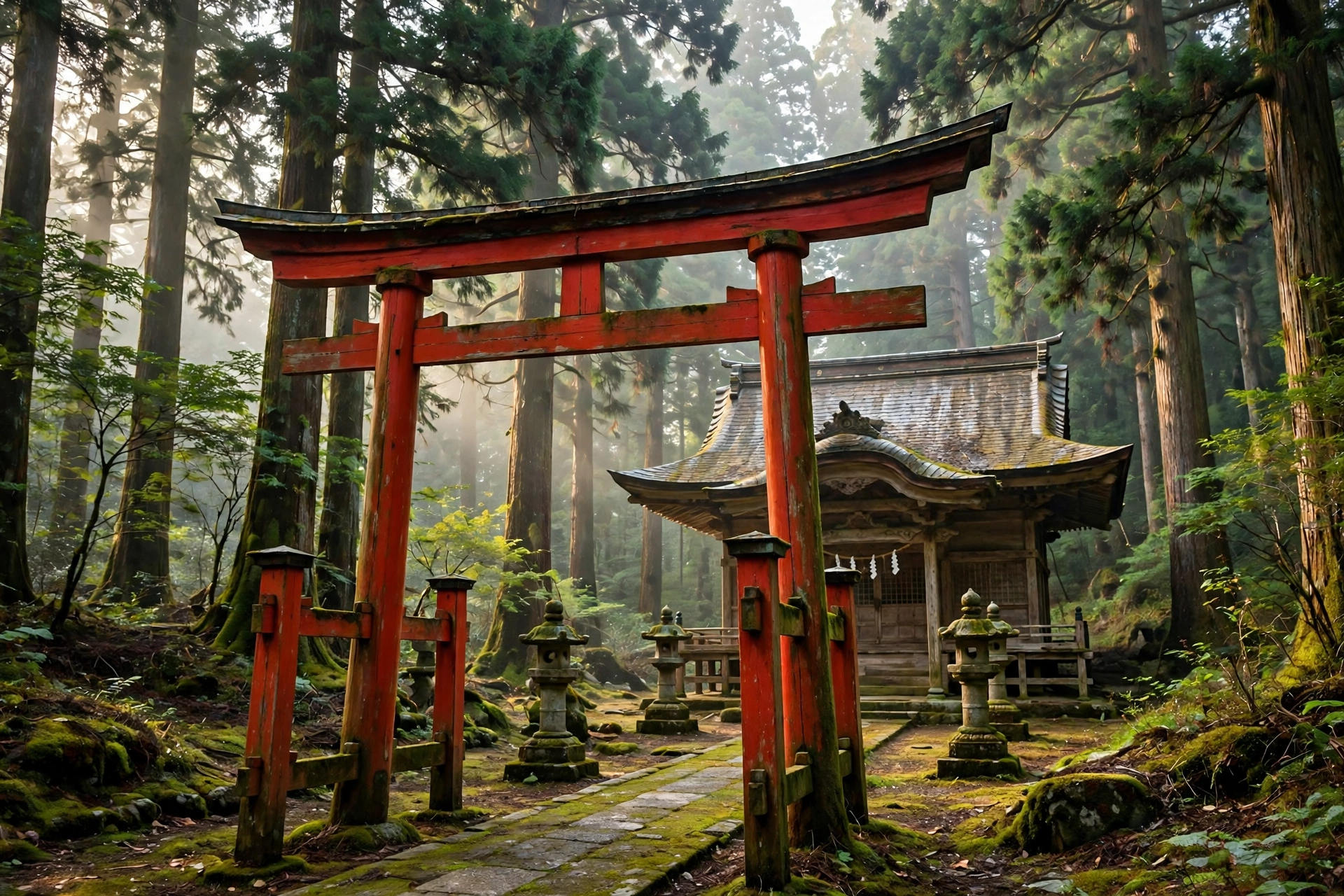
The point first: Heian Jingu in Sakyo Ward, Kyoto City, Kyoto, enshrines Emperor Kanmu (the 50th emperor) and Emperor Komei (the 121st emperor). Founded in 1895 (Meiji 28) on the 1,100th anniversary of the transfer of the capital to Heian-kyo as the tutelary shrine of the citizens, it is known for its vermilion shrine buildings modeled on the Chodo-in, the main court hall of Heian-kyo, reproduced at about five-eighths scale, its Shin-en garden of about 33,000 square meters designated a national Place of Scenic Beauty, and the Jidai Matsuri on October 22, one of Kyoto’s three great festivals. The annual festival is on April 15 at 10:00 a.m. The gates open at 6:00 a.m., with closing times varying by season. The Shin-en admission fee is 600 yen for adults and 300 yen for children. The official statement of the shrine rank, whether there is public guidance on Shinto funerals, the year the Great Torii was built, and the prayer offering fee could not be confirmed.
Hello, I am Kurashiki Bouzu (kurashiki-bouzu). I was born in 1971, I am a former funeral professional, and I now live in an old house in Kurashiki, Okayama, working together with Moka, my AI butler.
This is one article in a series introducing shrines across Japan, one shrine at a time. This time it is Heian Jingu in Sakyo Ward, Kyoto City, Kyoto. This article is organized from official published sources; it is not an account of a visit I made myself, and I say so honestly at the outset.
Basic information
- Shrine name: Heian Jingu. The notation on the official site is also “Heian Jingu.”
- Enshrined deities: Two deities, Emperor Kanmu (the 50th emperor) and Emperor Komei (the 121st emperor). In the hall’s guide, Emperor Kanmu is described as the “parent deity of the transfer of the capital” and Emperor Komei as the “parent deity of Japanese culture.”
- Shrine rank: On the official site and the pages of Kyoto City and the Kyoto Prefecture Jinja Agency consulted this time, no official statement of the shrine rank could be confirmed. A classification that has not been verified is not stated definitively in this article.
- Address: 97 Okazaki Nishitenno-cho, Sakyo Ward, Kyoto City, Kyoto 606-8341
- Telephone / Fax: TEL 075-761-0221 / FAX 075-761-0225
History
According to official sources, Heian Jingu was founded in 1895 (Meiji 28), on the occasion of the 1,100th anniversary of the transfer of the capital to Heian, as the “tutelary shrine of the citizens.” Its vermilion shrine buildings modeled on the Chodo-in, the main court hall of Heian-kyo, are its feature, and it is explained as having been “founded with a prayer for peace in all the world.”
At first, only Emperor Kanmu, who transferred the capital to Heian-kyo in 794, was enshrined. Later, in 1940 (Showa 15), Emperor Komei, the last emperor to spend his reign in Heian-kyo, was added as an enshrined deity.
The shrine buildings reproduce the Chodo-in at about five-eighths scale. Kyoto City explains that in the background to the founding were the festival commemorating the 1,100th anniversary of the transfer of the capital to Heian and the Fourth National Industrial Exhibition, and that a building erected as a memorial hall for those events was, after the exhibition period, used to enshrine Emperor Kanmu and found the shrine with the citizens of Kyoto as its parishioners.
Highlights
- Daigokuden (outer hall of worship): A building modeled on the main hall of the Chodo-in, and a national Important Cultural Property. It stands south of the main sanctuary, with a frontage of about 30 m. In the front garden, on the left and right, are placed the “Sakon no Sakura” (cherry tree on the left) and the “Ukon no Tachibana” (mandarin orange tree on the right).
- Otenmon (shrine gate): A two-story shrine gate (tower gate) modeled on the Otenmon of the Chodo-in, and also a national Important Cultural Property.
- Soryuro, Byakkoro, covered corridors, and Ryubidan: These are described as structures built at the time of founding and since repaired or rebuilt. The group of shrine buildings added in 1940 (Showa 15) and others are national Registered Tangible Cultural Properties.
- Shin-en: A pond-strolling garden consisting of four gardens — east, middle, west, and south — surrounding the shrine buildings. Its total area is about 33,000 square meters (about 10,000 tsubo), created by Ogawa Jihei VII and others, and it was designated a national Place of Scenic Beauty in 1975 (Showa 50). The official site lists the red weeping cherry blossoms of spring, the Japanese iris and rabbit-ear iris of early summer, the autumn leaves, and the snowy scenery of winter.
- Great Torii: The large torii on the approach side. As public sources differed, giving 1928 (Showa 3) and 1929 (Showa 4) as the year of construction, the year is not stated definitively here, and it is described as built in the early Showa period.
Festivals
- Annual festival (Reisai): April 15 at 10:00 a.m. According to official sources, it is the most important rite among the annual events, falling on the day Emperor Kanmu acceded to the throne in 781 (Ten’o 1). It is officially stated that an imperial messenger presents the imperial offering from His Majesty the Emperor.
- Jidai Matsuri: Every year on October 22 (postponed in case of rain). It is the great festival of Heian Jingu and one of Kyoto’s three great festivals, together with the Aoi Matsuri and the Gion Matsuri. About 2,000 people in a procession of about 2 kilometers proceed going back in time from the Meiji Restoration period to the Enryaku period, a “moving picture scroll of history and customs,” and the costumes and festival implements are said to have been made based on strict historical research into each period. It began in 1895 (Meiji 28) as an event to celebrate the founding of the shrine and the festival commemorating the 1,100th anniversary of the transfer of the capital to Heian.
- Other main annual events: Saitansai (January 1), Genshisai (January 3), Seijinsai (January 15), Emperor Komei Festival (January 30), Emperor Kanmu Festival (April 13), and other festivals on the death anniversaries of the enshrined deities are also listed officially.
Connection with life’s milestones
As a former funeral professional, I also checked whether the official site carries guidance related to milestones.
For prayers (gokito), there is official guidance, stating that prayers of various kinds are offered, including celebrations of life’s rites of passage such as a baby’s first shrine visit and Shichi-Go-San, warding off misfortune, safety of the household, prosperity in business, traffic safety, and fulfillment of heartfelt wishes. Reception is from 9:00 a.m. to 4:00 p.m., with guidance at any time and no reservation required (though there may be a wait during festivals and the like), the time required is about 20 minutes, and the reception place is on the left side of the Daigokuden. Shichi-Go-San visits are accepted throughout the year, and a souvenir for children is also prepared, according to the official guide. The amount of the prayer offering fee (hatsuhoryo) could not be confirmed within the scope of the guidance consulted this time.
For weddings, the form is to inquire at Heian Jingu Kaikan through the official guidance. According to the hall’s official guide, the Shinto wedding ceremony in the main sanctuary is held in the main sanctuary modeled on the Chodo-in, and there is a bridal procession. Capacity is up to 50 people, the offering fee is 300,000 yen, and ceremonies are held on weekdays only, four couples per day, as stated in the guide.
For Shinto funerals (shinsosai, Shinto-style funerals), within the scope of the official site pages consulted this time, no guidance for the general public was found. Not finding it and not holding them are different things, so whether they are held is not stated definitively. Those who are concerned should ask the shrine directly, which is the surest way.
Practical information for a visit
- Visiting hours: The gates open at 6:00 a.m. Closing times vary by season: 18:00 from March 1 to September 30, 17:30 in October, and 17:00 from November 1 to the end of February. The manner of worship is, after purifying yourself at the temizuya, two bows, two claps, and one bow. The official site advises visitors to refrain from walking in the center of the approach (seichu), as it is the path the deities pass through.
- Shin-en viewing: Reception begins at 8:30 a.m. The end of admission reception is generally 30 minutes before closing, varying by season as 17:30, 17:00, and 16:30. On October 22, reception hours change because of the Jidai Matsuri.
- Shin-en admission fee: Adults 600 yen, children 300 yen (junior high school students and younger), and preschool children and younger are free. No admission fee is charged for worship itself; this fee is for the Shin-en.
- Goshuin and items conferred: Goshuin are conferred for 500 yen. Amulets and ofuda can be received at the conferral offices at the Daigokuden and the Otenmon.
- Parking: Heian Jingu has no parking lot. The official site lists paid parking lots around Okazaki Park and recommends using public transportation during busy periods.
- Access: The nearest station is Higashiyama Station on the Subway Tozai Line, a 10-minute walk from Exit 1. From JR Kyoto Station, take City Bus routes 5 or 100, get off at “Okazaki Park / Museum, Heian Jingu-mae,” and walk 5 minutes north (about 30 minutes).
Finally, the points that could not be confirmed are the official statement of the shrine rank, whether there is public guidance on Shinto funerals, the year the Great Torii was built, and the prayer offering fee. Separating what is known from what is not known is how this series proceeds.
Sources
- Heian Jingu official top page
- Official “Access”
- Official “Shin-en”
- Official “For visitors”
- Official “Guide to prayers”
- Official “Annual events”
- Official “Jidai Matsuri”
- Official “Frequently asked questions”
- Kaikan official “Sightseeing guide”
- Kaikan official “Place”
- Kyoto City “Kyoto Travel Navi”
- Kyoto City “Buildings and gardens that color Kyoto”
- November 22, 2026 ― Published in English (translation of the Japanese article, ledger No. 3113)(8,369 characters)