
Ise Jingu, Inner Shrine (Ise, Mie) — Amaterasu Omikami and the Shikinen Sengu Renewal Every 20 Years
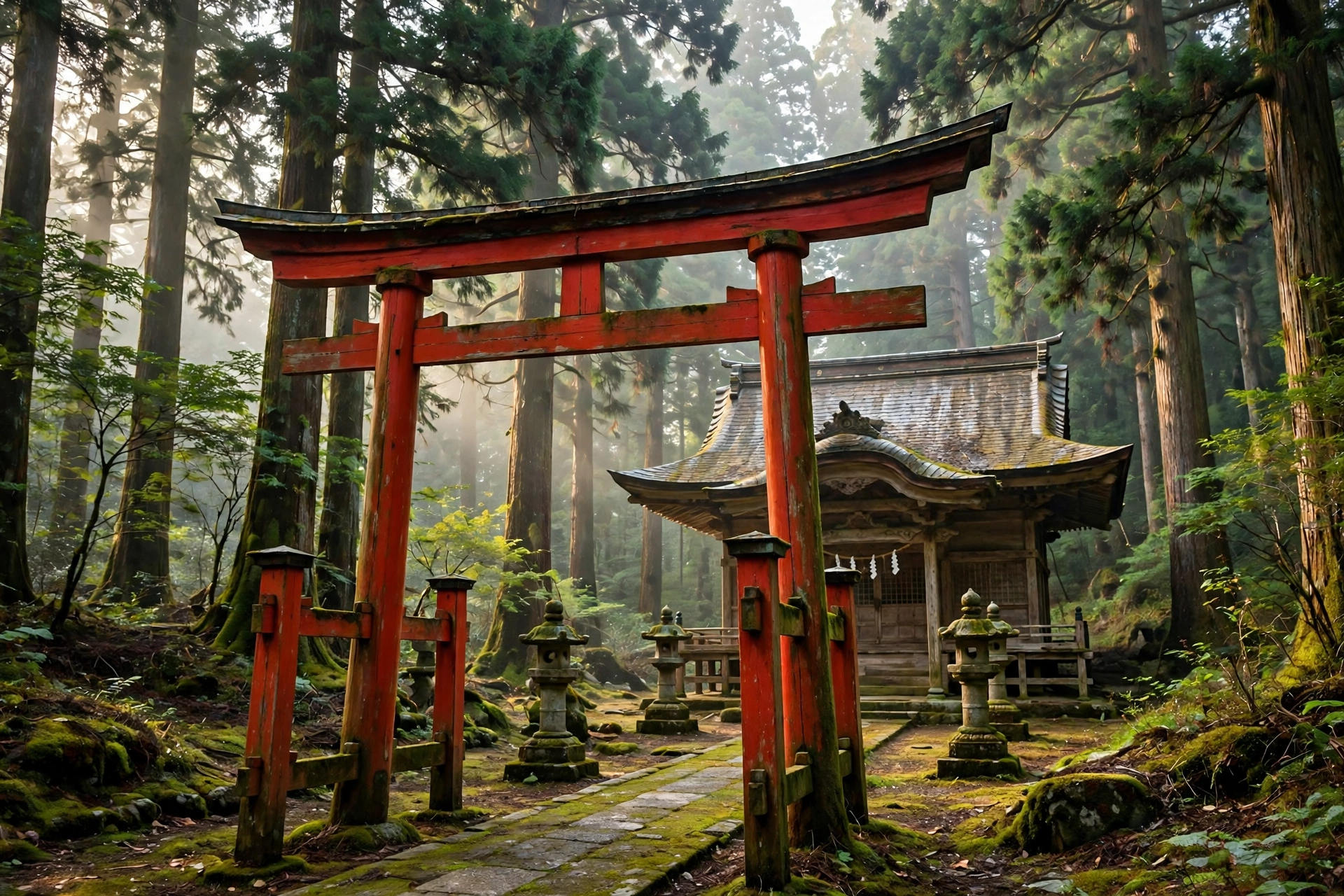
The point first: Ise Jingu in Ise, Mie — formally called simply “Jingu,” with its Inner Shrine known as Kotai Jingu — enshrines Amaterasu Omikami, and its sacred object is the Yata no Kagami, one of the Three Sacred Treasures. The shrine as a whole comprises 125 shrines including the Inner and Outer Shrines, and it is best known for the Shikinen Sengu, the rebuilding of the shrine buildings and transfer of the deity every 20 years, a tradition the official site says has continued for more than 1,300 years. The 63rd Shikinen Sengu is scheduled for the transfer ceremony in 2033 (Reiwa 15), with related rites already under way since 2025 (Reiwa 7). The Inner Shrine opens for worship from 5:00 a.m., with closing times varying by season. The shrine’s formal rank classification, the exact date of the Kannamesai festival, the details of goshuin hours, and parking capacity and fees could not be confirmed on the official pages opened this time.
Hello, I am Kurashiki Bouzu (kurashiki-bouzu). I was born in 1971, I am a former funeral professional, and I now live in an old house in Kurashiki, Okayama, working together with Moka, my AI butler.
This is one article in a series introducing shrines across Japan, one shrine at a time. This time it is Ise Jingu in Ise, Mie, and specifically its Inner Shrine. This article is organized from official published sources such as the shrine’s official site; it is not an account of a visit I made myself, and I say so honestly at the outset.
Basic information
- Formal name: Formally the shrine is called simply “Jingu,” and it is affectionately known as “Ise Jingu” and “O-Ise-san.” The formal name of the Inner Shrine is Kotai Jingu.
- Enshrined deity: Amaterasu Omikami. The official guide states that the sacred object is the Yata no Kagami, one of the Three Sacred Treasures.
- Composition: The official site confirms that “Jingu” is a collective name for 125 shrines, including the Inner Shrine (Naiku) and Outer Shrine (Geku).
- Shrine rank: No statement of classifications such as shikinaisha or beppyo shrine could be confirmed on the official pages opened this time. What is not known is left as not known.
- Address: 1 Ujitachi-cho, Ise, Mie 516-0023 (Inner Shrine). The postal code could not be confirmed directly on the official access page this time; it follows the published notation for the Jingu Shicho office.
History
According to the official “First Visit to Jingu” guide, the Inner Shrine is the most revered place enshrining Amaterasu Omikami, and its sacred object is the Yata no Kagami. As for the shrine’s beginnings, there is a tradition that in the reign of Emperor Suinin, Yamatohime no Mikoto established a shrine on the upper reaches of the Isuzu River, but that tradition could not be confirmed directly on the official pages opened this time. Only the range that could be verified is written here.
Central to any account of the Inner Shrine is the Shikinen Sengu. Once every 20 years, the shrine buildings are newly built and the sacred object is transferred to the new sanctuary — a festival the official site explains has continued for more than 1,300 years. It is said to have been conceived by Emperor Tenmu in the Asuka period, with the first Sengu held in the reign of Empress Jito. For the 63rd Shikinen Sengu, the transfer ceremony is scheduled for 2033 (Reiwa 15), and related rites have been under way since 2025 (Reiwa 7), according to the official guide. In other words, the Sengu is not an event of a single year: preparatory rites accumulate over many years before the day of transfer finally arrives. The 20-year interval is also a point at which techniques and procedures are handed to the next generation. The buildings are always new, yet their form has not changed for centuries. I think that curious way of continuing is the shrine’s foremost characteristic.
A word, too, about the name “Jingu” itself. According to the official site, “Jingu” does not refer only to the Inner and Outer Shrines; it is the collective name for 125 shrines including auxiliary and subordinate shrines. This article deals with the center of them, the Inner Shrine (Kotai Jingu). Visiting all 125 at once would be difficult, so the focus here is on the main sanctuary of the Inner Shrine.
Highlights
- The main sanctuary (Kotai Jingu): A shrine building in the shinmei-zukuri style. Because it is rebuilt every 20 years in the Shikinen Sengu, it is treated differently from old buildings designated as National Treasures or Important Cultural Properties. Whether any such designation exists was not stated on the official pages this time.
- The Isuzu River and Uji Bridge: Crossing Uji Bridge at the entrance to the Inner Shrine and walking along the Isuzu River toward the main sanctuary — the approach itself is a highlight. Worship feels as if it begins the moment you cross the bridge.
- Auxiliary shrines: The precinct includes auxiliary shrines such as Aramatsuri no Miya and Kazahinomi no Miya.
- World Heritage: Jingu is not inscribed on UNESCO’s World Heritage List.
Festivals
- Kannamesai: Listed by the official site as one of the shrine’s annual festivals. Its exact date could not be confirmed on the pages opened this time.
- Nichibetsu Asayu Oomike-sai: A festival at which food is offered to the deities every morning and every evening. Beyond the great festivals, it is in these unbroken daily offerings that I feel the depth of the shrine’s everyday life.
- Rites related to the Shikinen Sengu: Toward the 63rd Sengu, related rites have been under way since Reiwa 7 (2025), according to the official guide.
Connection with life’s milestones
As a former funeral professional, I also checked whether the official site carries guidance on milestones in a person’s life. Within the official pages opened this time, no guidance on shinsosai (Shinto funerals) was found. No individual guidance on weddings, omiyamairi (a baby’s first shrine visit), shichi-go-san, or yakubarai (warding off misfortune) was found on the official site either.
Prayers (gokito) are generally accepted at the Kagura-den of the Inner Shrine, but the details of the types of wishes could not be confirmed this time, so nothing is stated definitively here. If you are considering a prayer for a milestone, it is safest to check the latest acceptance arrangements in the prayer guide on the official Jingu site before you go.
Practical information for a visit
- Hours: Worship is possible from 5:00 a.m. Closing times vary by season: 18:00 from January to April and in September, 19:00 from May to August, and 17:00 from October to December. Changes are said to apply at New Year.
- Goshuin and amulets: These can be received at places such as the Kagura-den of the Inner Shrine. The details of the hours could not be confirmed this time.
- Parking: The capacity and fees of parking near the Inner Shrine were not confirmed in the materials this time. Checking the official access guide before a visit is recommended.
Finally, an honest summary of what could not be confirmed in this article. The official statement of the shrine rank classification, the exact date of Kannamesai, direct confirmation of the postal code on an official page, the details of goshuin hours, and parking capacity and fees could not be confirmed within the official pages opened this time. Separating what is known from what is not known is how this series proceeds. If there are further reports, the record will be updated.
A shrine that has renewed its buildings every 20 years while preserving the same form for more than 1,300 years. Following the sources, one sees the scale of the idea of “protecting what has continued from old times by making it new.”
Sources
- Jingu official, “Knowing, Seeing, Understanding Ise Jingu — Shikinen Sengu edition” https://www.isejingu.or.jp/first/beginner_sengu.html
- November 22, 2026 ― Published in English (translation of the Japanese article, ledger No. 2915)(6,499 characters)