
Itsukushima Shrine (Hatsukaichi, Hiroshima) — A World Heritage Shrine Standing on the Sea, and Its Great Torii
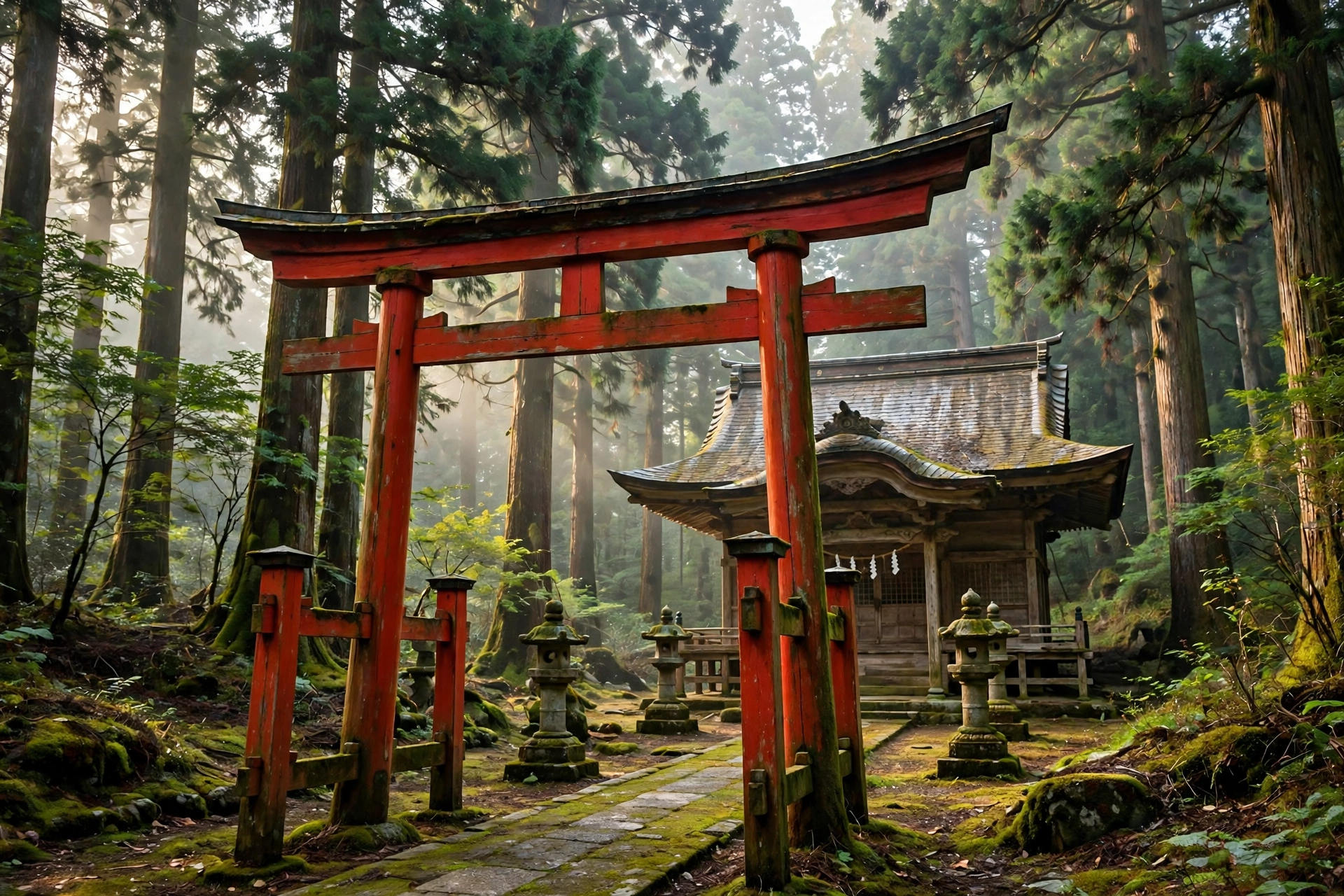
The point first: Itsukushima Shrine in Miyajima-cho, Hatsukaichi, Hiroshima, was inscribed as a World Cultural Heritage site in 1996 under the name “Itsukushima Shinto Shrine.” According to UNESCO, the inscribed property covers 431.2 hectares, comprising 17 buildings — including the main shrine and the guest shrine, a subordinate shrine — and 3 structures, together with the forested area of Mount Misen behind them, and the 20 component buildings are designated National Treasures or Important Cultural Properties. The shrine buildings stand over the sea because the island itself was worshipped as a deity. Admission is ¥300 for adults, ¥200 for high school students and ¥100 for elementary and junior high school students, with a combined ticket with the Treasure Hall at ¥500 for adults; the shrine has no parking. The enshrined deities and shrine rank, the date of the Kangen Festival, goshuin, and the contents of prayers and weddings could not be confirmed, because the official history, annual events and prayer pages could not be opened this time, and this article does not state them definitively.
Hello, I am Kurashiki Bouzu (kurashiki-bouzu). I was born in 1971, I am a former funeral professional, and I now live in an old house in Kurashiki, Okayama, working together with Moka, my AI butler.
This is one article in a series introducing shrines across Japan, one shrine at a time. This time it is Itsukushima Shrine in Miyajima-cho, Hatsukaichi, Hiroshima. This article is organized from official published sources such as the shrine’s official site; it is not an account of a visit I made myself, and I say so honestly at the outset.
Basic information
- Formal name: Itsukushima Shrine. The official notation uses the older character form “嚴島神社.” The place is also affectionately known as “Aki no Miyajima.”
- Enshrined deities: The shrine is generally introduced as enshrining the three Munakata goddesses (Ichikishima-hime no Mikoto, Tagori-hime no Mikoto and Tagitsu-hime no Mikoto), but the official pages opened this time (the access and admission guides) carried no statement of the enshrined deities, and they could not be verified on the official history page. This article therefore does not state the enshrined deities definitively.
- Shrine rank: No statement of classifications such as shikinaisha, Aki Province ichinomiya, or beppyo shrine could be confirmed on the official pages opened this time.
- Address: 1-1 Miyajima-cho, Hatsukaichi, Hiroshima 739-0588. The address on the official access page is “1-1 Miyajima-cho, Hatsukaichi, Hiroshima”; the postal code follows a public Hiroshima Prefecture guide.
History
According to the UNESCO World Heritage Centre, Itsukushima has been a sacred place of Shinto since ancient times, and the first shrine buildings were probably erected in the 6th century. The present buildings date from the 13th century, yet they are explained as accurately reflecting the 12th-century style founded by Taira no Kiyomori.
There is also a shrine tradition giving the founding as 593 (the first year of Empress Suiko), but the official and UNESCO pages opened this time kept to the broader expression “6th century.” This article therefore treats the founding year as tradition and does not state it definitively. Writing only the range that could be verified is the promise of this series.
The explanation that the present buildings are of the 13th century yet reflect a 12th-century style teaches something important: preserving is not only a matter of keeping old buildings as they are; inheriting a style and rebuilding in it is also a way of preserving. It is the same thinking as the Shikinen Sengu of Ise Jingu, and I believe it lies at the core of how Japanese shrine architecture is carried on.
Highlights
- World Cultural Heritage: Inscribed in 1996 as “Itsukushima Shinto Shrine.” According to UNESCO, it comprises 17 buildings, including the main shrine and the guest shrine, and 3 structures, together with the forested area of Mount Misen (Misen) behind them, over an area of 431.2 hectares.
- The shrine buildings and great torii: The 20 buildings composing the World Heritage property are designated National Treasures or Important Cultural Properties (according to UNESCO). The shrine buildings standing over the sea, the great torii, and the scenery united with Mount Misen behind them are Itsukushima Shrine’s foremost highlight. The buildings were placed over the sea because the island itself was revered as a deity — that origin is the reason for this scenery.
- Treasure Hall: Open year-round from 8:00 to 17:00.
- Senjokaku: Open for viewing year-round from 8:30 to 16:30.
Festivals
- Kangen Festival: A festival regarded as the annual festival, said to be held on the 17th day of the 6th month of the old calendar. Its schedule, however, could not be confirmed on the official pages opened this time. If you are considering a visit or viewing, please check that year’s schedule in the annual events guide on the official site before setting out.
- Other annual events: Their details could not be confirmed in the materials this time either. What is not known is left as not known, and left to the official guide.
Connection with life’s milestones
As a former funeral professional, I also checked whether the official site carries guidance on milestones in a person’s life. Within the official pages opened this time, no guidance on shinsosai (Shinto funerals) was found.
As for prayers and weddings, other published materials suggested that the official site has a “Prayers / Weddings” guide page. However, that page itself could not be opened and checked this time. Individual guidance on omiyamairi, shichi-go-san and yakubarai is also unconfirmed. This article therefore does not state the contents of prayers or weddings definitively. If you are considering a milestone rite, it is safest to open the relevant page of the official site directly and check.
Practical information for a visit
- Admission hours (open year-round, according to the official site): January 1, 0:00–18:30; January 2–3, 6:30–18:30; January 4 to the end of February, 6:30–17:30; March 1 to October 14, 6:30–18:00; October 15 to November 30, 6:30–17:30; December 1–31, 6:30–17:00.
- Admission fees (according to the official site): Adults ¥300, high school students ¥200, elementary and junior high school students ¥100. A combined ticket with the Treasure Hall is ¥500 for adults.
- Access and parking: Itsukushima Shrine has no parking (stated explicitly on the official access page). From Miyajimaguchi Pier, a ferry of about 10 minutes takes you to Miyajima Pier. The premise is to leave your car on the Miyajimaguchi side and cross by boat.
- Goshuin: Whether they are offered, and their hours, could not be confirmed on the official pages this time.
Finally, an honest summary of what could not be confirmed in this article. The listing and readings of the enshrined deities on an official page, the shrine rank classification, the date of the Kangen Festival, goshuin, and the contents of weddings and prayers remain unconfirmed, because the official history, annual events and prayer pages could not be opened this time. The postal code was also not stated on the official access page. Separating what is known from what is not known is how this series proceeds.
Itsukushima Shrine, built as if floating its buildings on the sea, protecting the island itself as a deity. Following the sources, one sees, behind the beauty of the scenery, a form of faith.
Sources
- Itsukushima Shrine official, “Access” https://www.itsukushimajinja.jp/jp/access.html
- Itsukushima Shrine official, “Admission facilities and fees” https://itsukushimajinja.jp/jp/admission.html
- UNESCO World Heritage Centre, “Itsukushima Shinto Shrine” https://whc.unesco.org/pg.cfm?cid=31&l=en&id_site=776&
- November 22, 2026 ― Published in English (translation of the Japanese article, ledger No. 2942)(6,569 characters)