
Security recordNovember 21, 2026
Result first: when a security word or a way to stay safe leaves you stuck, open the Security Lab's master knowledge first. The master copy is held by the Security Lab team (No. 52), in 13 sets. The 40 cybersecurity staff in the IT and Internet Knowledge team (No. 56) do not create knowledge — they guide you to the Lab and pass questions across.

Security recordNovember 17, 2026
The result first: this week's security incidents in Japan and around the world shared three entry points — a trusted third party, a postponed update, and a stolen connection key. So the protection is also three things: review your connections, install updates and restart, and never reuse passwords, with a second step on top. This article summarises November 9–16, 2026 — the Fugaku supercomputer, a shopping-system breach affecting about 4.37 million people, claims against Expedia — separates attacker claims from confirmed facts, and explains why knowing the pattern is what makes tools like Muse and Google apps feel safe to use. This is the price of progress, and how to live with it.
Security recordNovember 17, 2026
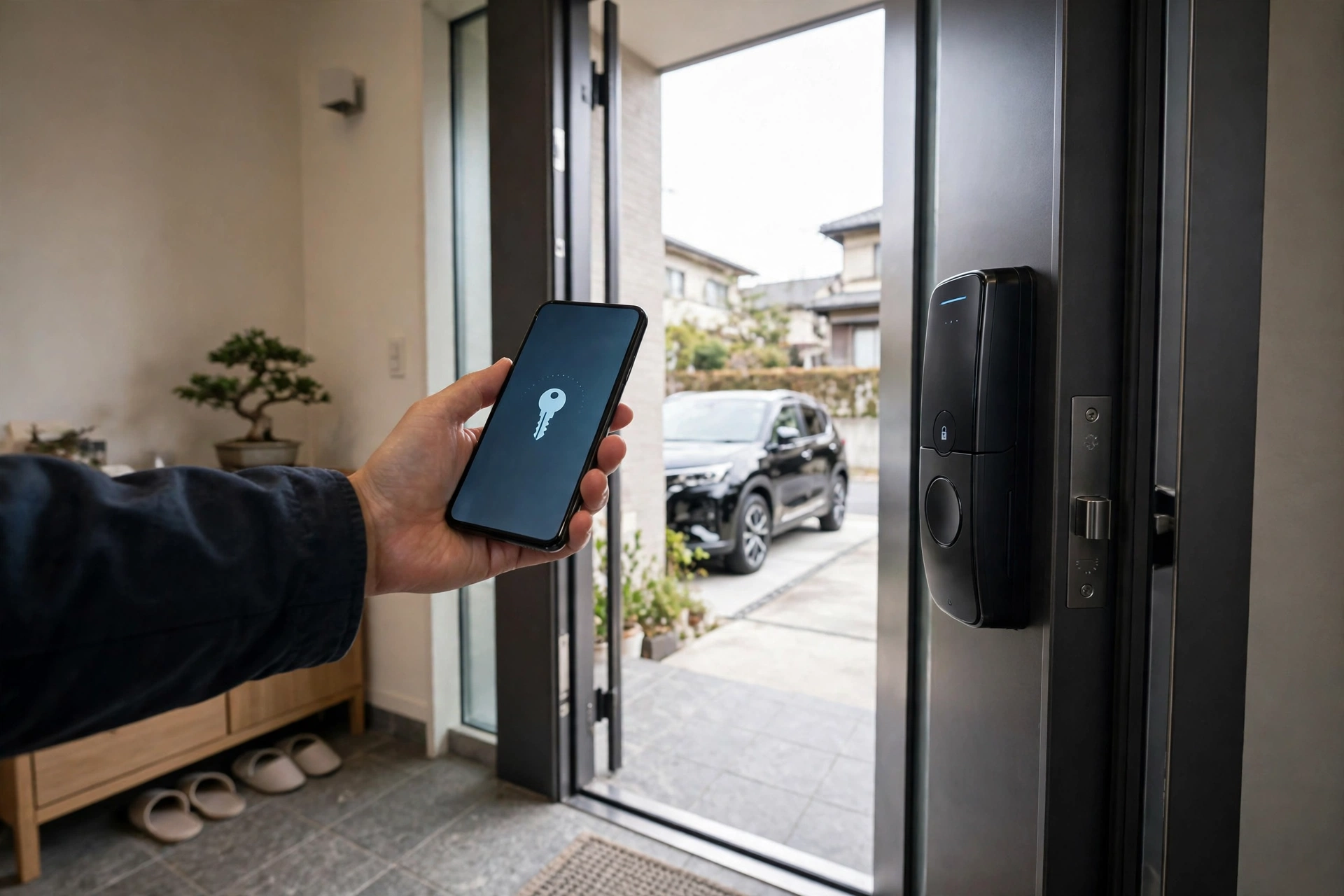
The result first: in Japan, the house key, the car key, the health insurance card and cash at the ATM have all moved into one smartphone. This article lists what each maker can actually do, tells the true story of a 30,000-yen tap-to-open lock that never fitted my office door, explains the expiring keys sent to minpaku guests, compares how far the US, the EU, Korea and China have gone, and ends with five concrete ways to protect yourself. Written by a man born in the Showa era, for whom this was once a dream picture.
Security recordNovember 16, 2026
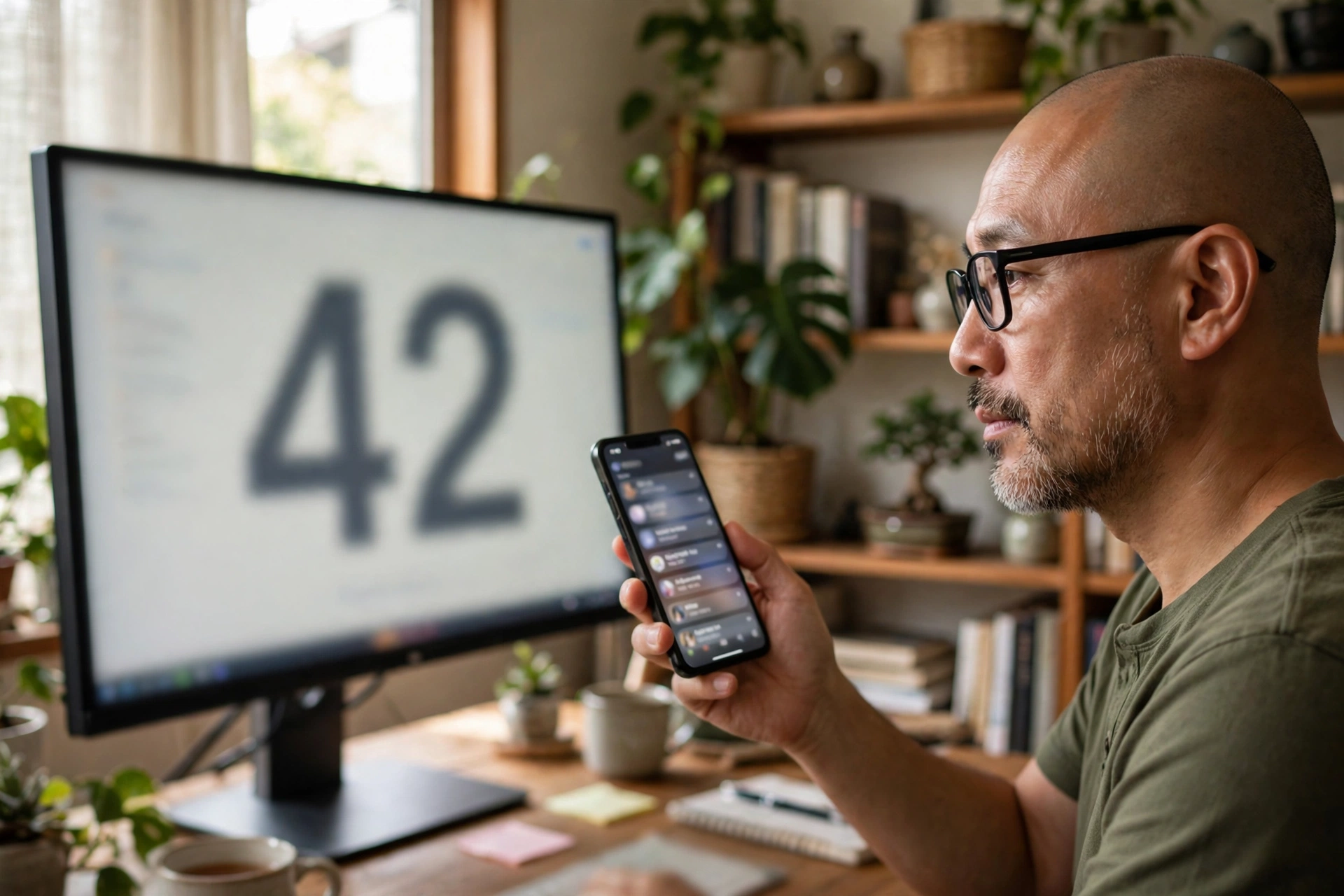
The result first: that notification asking you to tap "Yes" and pick a number is Google checking that the person signing in is really you. It is safe to approve when you started the sign-in yourself — and you should tap "No" when you did not. It is not the same thing as having 2-Step Verification turned on. This article explains the difference, the kinds of second step, how to turn it on, and why I have honestly not turned it on yet.

Security recordNovember 14, 2026
The result first: you can list every phone and computer still signed in to your Google account, and remove any device you do not recognize on the spot. Open myaccount.google.com, go to 'Security & sign-in,' and open 'Your devices.' This article walks through the check in order, when to do it, and how Find My Device can help if you ever lose a phone — including the part Moka can help with.
Security recordNovember 9, 2026
The result first: protection has a pattern, and once you know it, the fear of starting gets much smaller. This is Chapter 0 of 'Google Apps Basics' — the chapter on protection, placed before the main series begins. It sets out three patterns: never reuse the same key (password), add a second step of confirmation, and use fingerprint confirmation (a passkey). It also gives the calm order to follow if you ever think something of yours may have leaked.

Security recordNovember 9, 2026
The result first: only one announcement channel remains, Bluesky, where Moka can post automatically. Facebook hit a suspension and a selfie-video identity check, Instagram's confirmation code never arrived, and I set one principle — if Moka cannot post automatically, I will not post there. X, Threads, Reddit, and Pixelfed are out too. This is the record of the day I decided to compete on the number of articles, not on the number of windows.

Security recordNovember 5, 2026
For the four AIs I tried for free (Gemini, ChatGPT, Claude, and Grok) and for Muse, which I use now, I compared — from each company's official explanations — whether conversations are used for training, whether a person may read them, and whether you can delete them.
