
Nikko Toshogu, Organized — The Mausoleum of Lord Ieyasu, and the World Heritage 'Shrines and Temples of Nikko'
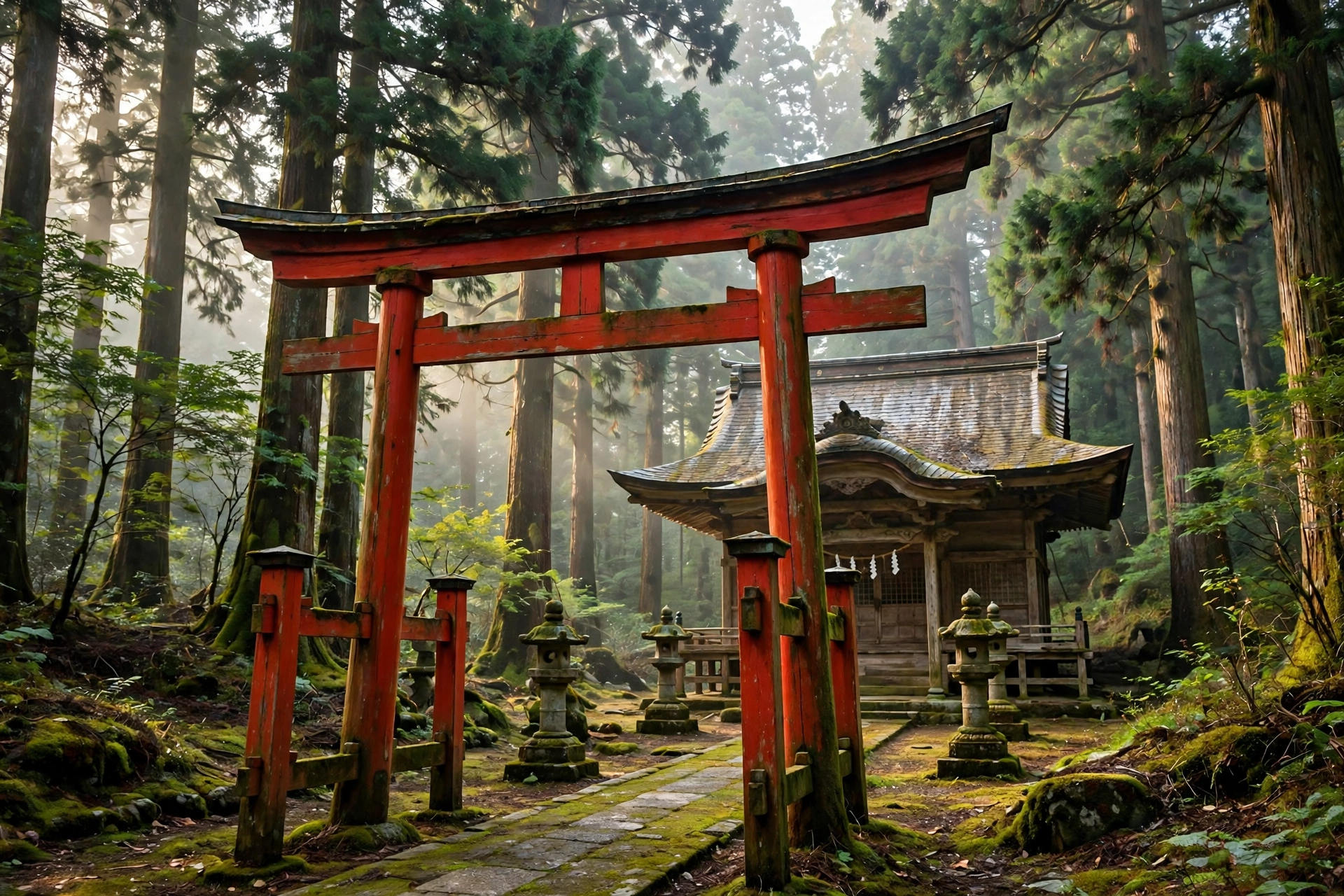
The point first: Nikko Toshogu in Nikko, Tochigi — formally named simply “Toshogu” — enshrines Tokugawa Ieyasu as Tosho Daigongen, and was founded in 1617 (Genna 3) as his mausoleum. Its main buildings were constructed in 1636 (Kan’ei 13) under the third shogun, Tokugawa Iemitsu — 55 buildings in about one year and five months, according to Tochigi Prefecture’s cultural property search. Together with Rinnoji Temple and Nikko Futarasan Shrine, it was inscribed in 1999 as the World Heritage “Shrines and Temples of Nikko”: 103 buildings across the two shrines and one temple, of which 9 are National Treasures and 94 Important Cultural Properties; Toshogu alone has 8 National Treasure and 34 Important Cultural Property buildings. Admission is from 9:00 to 17:00 from April to October and to 16:00 from November to March, and the Toshogu ticket is ¥1,600 for adults in public tourist guides. The address on the official site itself, the co-enshrinement of Toyotomi Hideyoshi and Minamoto no Yoritomo, the shrine rank, festival dates on the official site itself, children’s admission fees, parking and goshuin all require re-confirmation, and this article does not state them definitively.
Hello, I am Kurashiki Bouzu. I was born in 1971 and formerly ran a funeral business. I now live in a single-story old house in Kurashiki, Okayama, with my wife and our two cats, spending my days repairing the house ourselves. For research and article writing, I am helped by Moka, my AI butler.
This is one article in a series organizing the shrines of Japan, one shrine at a time. It is organized from official published sources, not from a visit I made myself. What is known and what is not known are written separately, so please read with that in mind. This time it is Nikko Toshogu in Nikko, Tochigi Prefecture.
Basic information
The formal name is “Toshogu.” To distinguish it from other Toshogu shrines it is called “Nikko Toshogu,” and its official site also calls itself the “Nikko Toshogu Homepage.” Its address is 2301 Sannai, Nikko City, Tochigi Prefecture, with postal code 321-1431. This address was confirmed in materials quoting the official guide; direct confirmation on the address page of the official site itself is marked as requiring re-confirmation.
The enshrined deity is Tosho Daigongen, Tokugawa Ieyasu. The official history guide speaks of Lord Ieyasu alone as the enshrined deity. There are also materials, such as prefectural histories, holding that Toyotomi Hideyoshi and Minamoto no Yoritomo are co-enshrined in the side hall, but no clear statement could be confirmed on the official site this time, so this article gives priority to the official notation and marks the co-enshrinement as requiring re-confirmation.
As for shrine rank, no clear statement could be confirmed on the official site this time. It is generally said to be an independent (tanritsu) shrine not belonging to the Jinja Honcho, but since that has not been verified officially, it will not be written here as a beppyo shrine or the like.
History
According to Nikko City’s official site, the shrine was founded in Genna 3, 1617, as the mausoleum of Tokugawa Ieyasu. Nikko City’s World Heritage commentary relates that Ieyasu died in Sunpu, was given a Shinto burial at Kunozan, and was moved to Nikko one year later in accordance with his will. The form of enshrining one who has died as a god carries, even in the eyes of a former funeral professional, a special weight within the history of mourning in Japan.
In Kan’ei 13, 1636, the principal shrine buildings were constructed by the third shogun, Tokugawa Iemitsu, and the shrine took its present form. According to Tochigi Prefecture’s cultural property search, the construction took about one year and five months, and 55 buildings were erected. From the record that so many buildings were prepared in so short a period, one can feel the scale of the effort the shogunate of the time devoted to this mausoleum.
As for the circumstances in Shoho 2, 1645, when the shrine was granted its title (miyago) and became “Toshogu,” direct confirmation could not be made in the official or city materials this time, so that point is left as requiring re-confirmation.
Highlights
Nikko Toshogu, together with Rinnoji Temple and Nikko Futarasan Shrine, was inscribed in 1999 as the World Heritage “Shrines and Temples of Nikko.” This can be confirmed in Tochigi Prefecture’s cultural property search and Nikko City materials. Ministry of the Environment materials record the composition as two shrines and one temple, 103 buildings in total, with 9 National Treasure buildings and 94 Important Cultural Property buildings.
For Toshogu alone, Nikko City’s official site gives 8 National Treasure buildings and 34 Important Cultural Property buildings. The National Treasures include the main hall (honden), the Stone Chamber (ishi-no-ma), the worship hall (haiden), the Yomeimon gate, the front and rear Karamon gates, and the east and west lattice walls (sukibei).
The Yomeimon is a National Treasure, built in 1636 and bearing more than 500 carvings, and is also called the “Gate of the Setting Sun” (Higurashi no Mon), according to Tochigi Prefecture materials and others. There are many other highlights: the Karamon gate, the Sleeping Cat (Nemuri Neko) of the East Corridor, the Three Wise Monkeys — “see no evil, speak no evil, hear no evil” — of the Sacred Stable, the Crying Dragon (Nakiryu) of the Honji-do, the Okumiya, Ieyasu’s grave, the five-story pagoda, and the stone torii said to have been donated by Kuroda Nagamasa in 1618.
The Nikko Cedar Avenue is a national Special Historic Site and Special Natural Monument. The official top page records that the cedars were planted from around Kan’ei 2, 1625, and donated to Toshogu, and that about 12,500 survive today. That not only the buildings but even the cedars of the approach are protected together is a great characteristic of Nikko.
Festivals
For the Spring Grand Festival, a general guide confirms the form in which the annual rite is held on May 17 and the procession festival, the “Procession of a Thousand Samurai in Full Array” (Hyakumono Soroe Sennin Musha Gyoretsu), on May 18. However, direct confirmation of the schedule on the official site itself could not be made this time, so this is marked as requiring re-confirmation. Official notices do confirm guidance such as shichi-go-san prayers.
The Autumn Grand Festival is said to hold its procession festival, the Thousand Samurai Procession, on October 17, but this, too, requires re-confirmation officially. The Yabusame rite is said to accompany the spring and autumn grand festivals, and is treated the same way: requiring re-confirmation.
Festival schedules can also change in how they are announced from year to year. If you are considering a visit or viewing, please plan after checking that year’s information in the notices on the official site. Please read the dates in this article as a guide within the range that could be confirmed.
Connection with life’s milestones
As a former funeral professional, I will check the shrine’s connection with the milestones of life.
An official notice, “Notice of Shichi-go-san Prayers,” confirms officially that shichi-go-san prayers are accepted. It is certain that guidance on prayers celebrating children’s growth is officially published.
As for prayers, materials quoting the official site suggest guidance that prayers such as household safety, hatsu-miyamairi (first shrine visit), yakuyoke-kaiun (warding off misfortune and inviting good fortune) and traffic safety are accepted at the prayer hall. However, direct confirmation of the prayer page of the official site itself could not be made this time, so the details — including whether hatsu-miyamairi, that is, omiyamairi, is included — are marked as requiring re-confirmation. Yakubarai is treated the same way.
As for weddings, too, materials quoting the official site carry guidance that Shinto wedding ceremonies are held, but direct confirmation on the official site itself is incomplete, so this is marked as requiring re-confirmation.
As for shinsosai (Shinto funerals), no guidance was found on the official site within the official top page and notice list opened this time. Toshogu has the character of being Lord Ieyasu’s mausoleum, so it may need to be considered separately from the general reception of Shinto funerals, but that point is not stated definitively in this article either. Those who need one should check directly with the shrine.
Practical information for a visit
Admission hours are from 9:00 to 17:00 from April to October, and from 9:00 to 16:00 from November to March. Reception is until 30 minutes before closing, according to public tourist guides such as Nikko City tourism. Direct confirmation on the official site itself requires re-confirmation.
As for admission fees, public tourist guides give the Toshogu ticket as ¥1,600 for adults. There are also guides giving a set ticket with the Treasure Hall at ¥2,400, and the Treasure Hall alone at ¥1,000. Fees for elementary and junior high school students differ between materials, so they are not written here. That is a point requiring re-confirmation.
As for parking, there is a guide that the Toshogu Large Car Park holds 200 standard cars at ¥600 per day, but direct confirmation on the official site itself could not be made this time. As for goshuin likewise, direct confirmation of reception and offering fees on the official site itself could not be made, so this is marked as requiring re-confirmation.
For access, Tochigi Prefecture’s cultural property search guides taking a bus from JR Nikko Station or Tobu Nikko Station and getting off at “Omotesando.” The World Heritage area is wide, so planning with time to spare is recommended.
Sources
- Nikko Toshogu official site
- Nikko Toshogu official site, outline
- Nikko City official, World Heritage commentary
- Tochigi Prefecture cultural property search, Toshogu
- Tochigi Prefectural Museum Digital Museum
- Ministry of the Environment, Shrines and Temples of Nikko materials
- Visit Nikko, Nikko Toshogu Shrine (English)
- November 22, 2026 ― Published in English (translation of the Japanese article, ledger No. 2996)(8,482 characters)