People I have metNovember 21, 2026
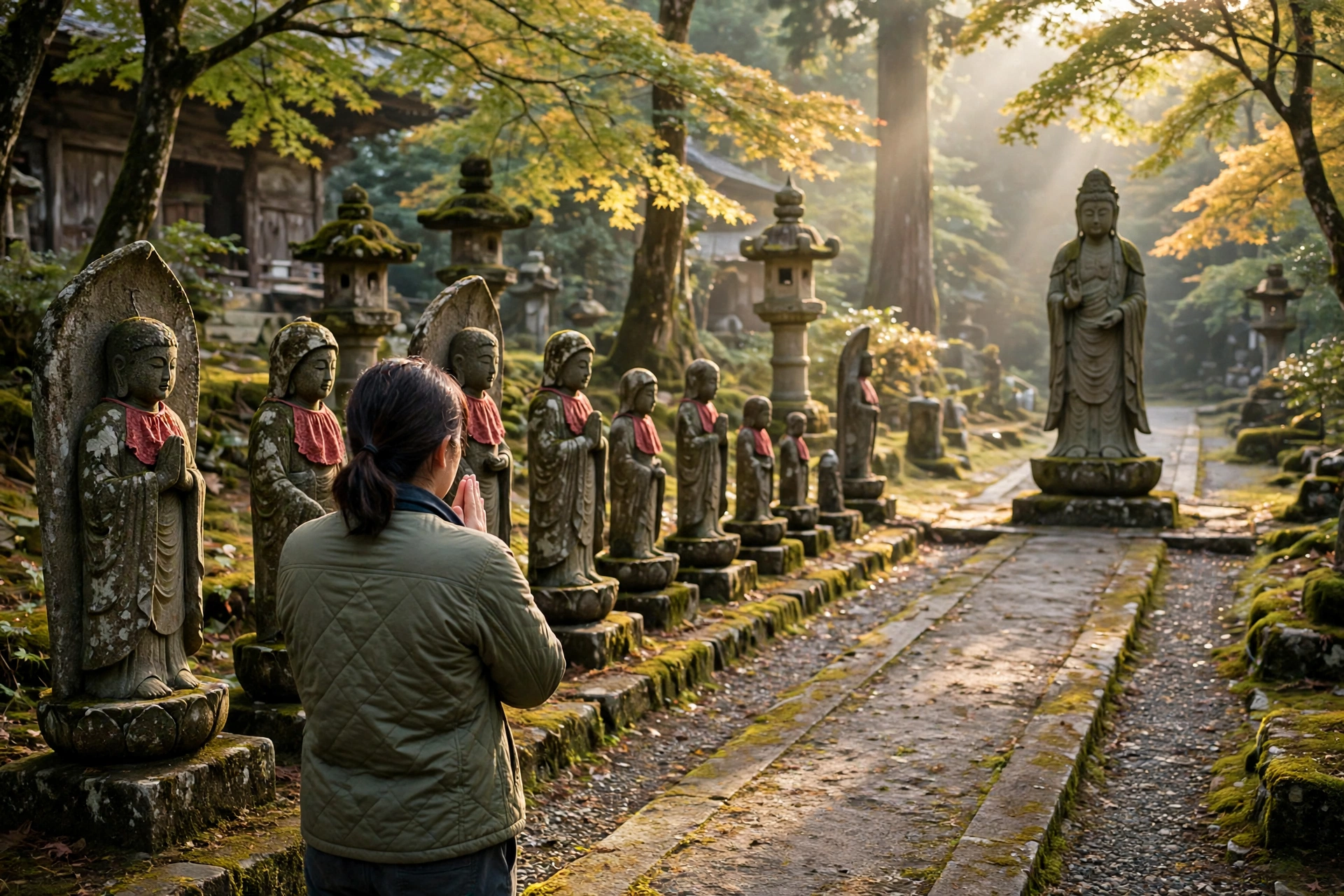
Result first: this article adds the faces that stand beside the main statues — Monju and Fugen beside Shaka, Seishi in the Amida triad, the Four Heavenly Kings and Bishamonten who guard the grounds, the Twelve Divine Generals and the Twenty-Eight Attendants who serve, and the two figures a funeral actually meets, the Honzon at the centre of a temple and the Mizuko Jizo in the cemetery.
People I have metNovember 21, 2026
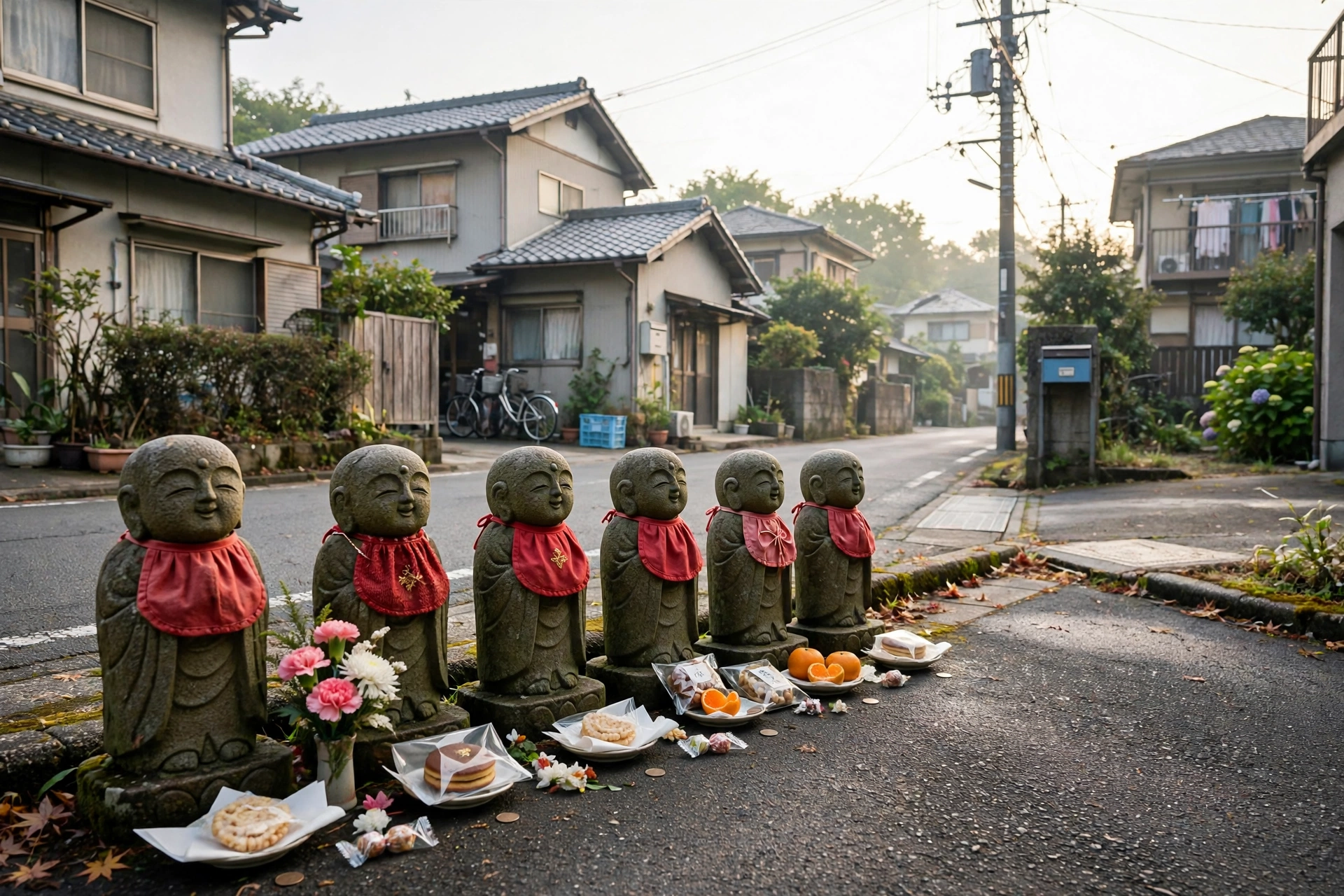
The result first: after a Buddhist funeral in Japan, memorial observances follow a set pattern — services every seven days up to the 49th day, anniversary services counted as 'full years plus one,' the seven days of Higan and the Obon season whose month changes by region, and a home altar and grave whose rules depend on sect and cemetery. For Christian funerals, the standard is flowers, not incense — with one Catholic exception. A former funeral director's practical summary.
People I have metNovember 21, 2026
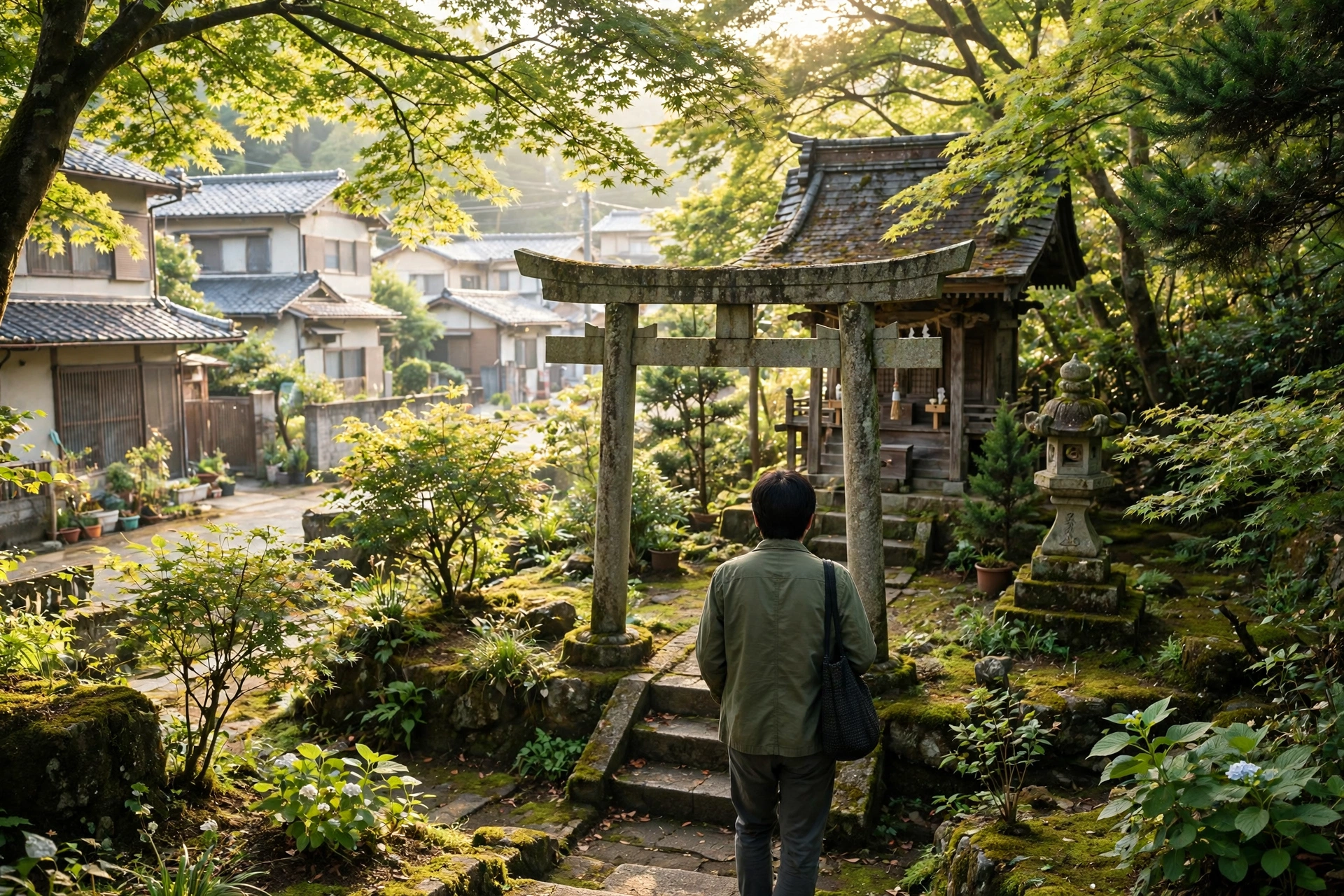
The result first: a shrine visit is five steps — bow once at the torii, walk at the side of the approach, purify at the temizuya (left hand, right hand, mouth, left hand, ladle handle), then two bows, two claps and one bow at the hall. Charms are 'received,' not bought, and are renewed about once a year. This guide also lays out the Shinto year and life's milestones — hatsumode, setsubun, the summer purification, shichi-go-san, yakudoshi (unlucky years), jichinsai ground-breaking and the Shinto wedding — all from published sources, with no funeral content.
People I have metNovember 21, 2026
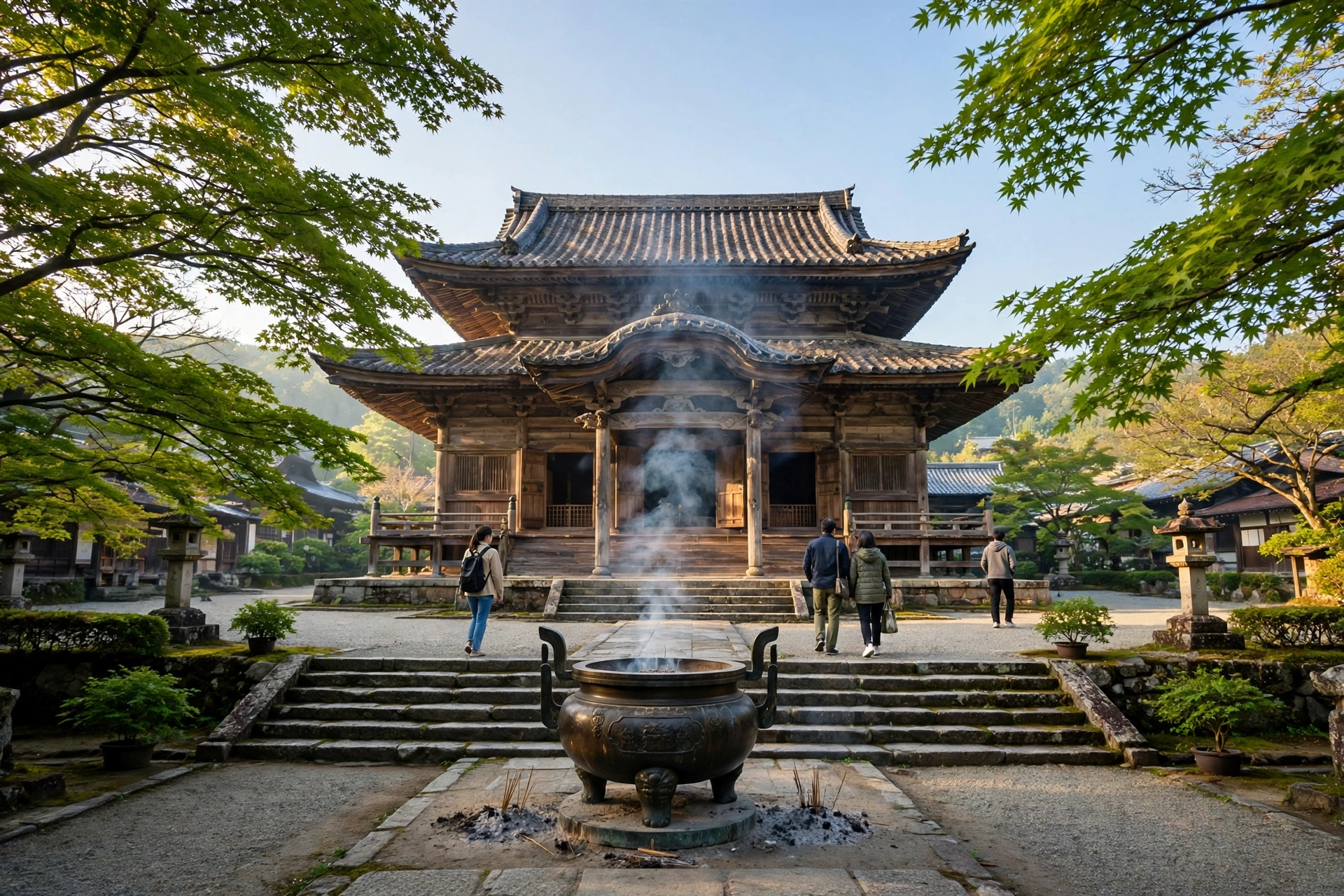
Result first: the name given after death is called kaimyo, homyo or hogo depending on the sect, its parts stack in a fixed order, and formal prayer beads take a different shape in each tradition. A former funeral director explains both, plainly and from practice.
People I have metNovember 21, 2026
Result first: a Shinto funeral, a shinsosai, runs as a chain of named rites — Kiyu Hokokusai, Tsuyasai with Senreisai, the central Sojosai, Hakkusai, Kasosai and Kikasai — and then continues with memorial rites every ten days up to the fiftieth-day rite, the Shinto counterpart of the Buddhist forty-ninth day. This article walks through that order, and where it differs from a Buddhist funeral.
People I have metNovember 21, 2026
Result first: this sequel to 'Buddhist Basics and the Traditional Eight Schools' gives fuller entries to three schools — Yuzu Nembutsu-shu and Jishu, introduced only briefly outside the eight, and Rinzai-shu (with Obaku-shu), treated briefly inside them — by founder, head temple, teaching and funeral practice, with the standing caution that details differ by temple and region.
People I have metNovember 21, 2026
Result first: Japan's reported adherents add up to more than its population because the figures are self-reported by religious organizations and one person can be counted twice — a parishioner of a shrine and a parishioner of a temple at once. A former funeral director explains how to read the Agency for Cultural Affairs' Religious Almanac, what funeral-format surveys do and do not say, and what remains unverified.
People I have metNovember 21, 2026
Result first: funerals in Japan are not only Buddhist. From a former funeral director's practical view, this article lays out the shapes you may meet in practice — the Soka Gakkai Yujinso, Nichiren Shoshu, Rissho Kosei-kai, Tenrikyo and others — with respect for each faith, focusing on how each service proceeds and what to watch for in practice.
People I have metNovember 21, 2026
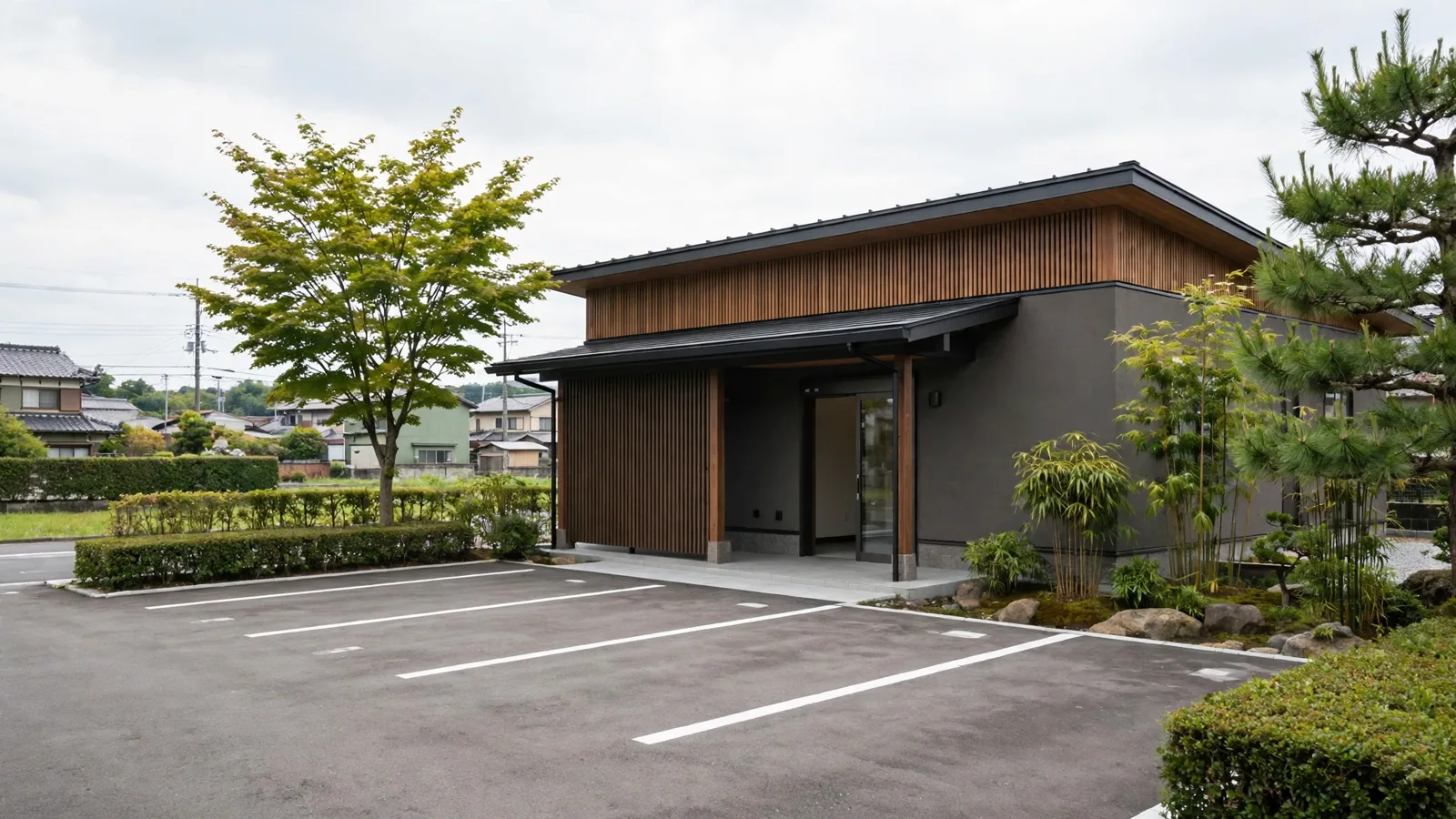
Wake, chief mourner, family funeral, direct cremation, Shinto funeral, grave relocation. All 54 terms you meet at a Japanese funeral, each with a one-line summary, meaning and how it works, points to check and sources, arranged so you can look them up alphabetically. With links to related articles and notes from a former funeral director's practice.
People I have metNovember 18, 2026
For anyone attending a Buddhist funeral in Japan for the first time. If the number of incense offerings is unclear, once is fine. The money offering is 'Goreizen' (Jodo Shinshu: 'Gobutsuzen'), wrapped in a fukusa cloth. 'Heifuku' does not mean everyday clothes — it means informal mourning dress. A former funeral director explains the incense steps, the guide to the number of offerings by school, money-offering inscriptions and amounts, how to use a fukusa, the grades of mourning dress, and words to avoid, based on published sources.
People I have metNovember 18, 2026
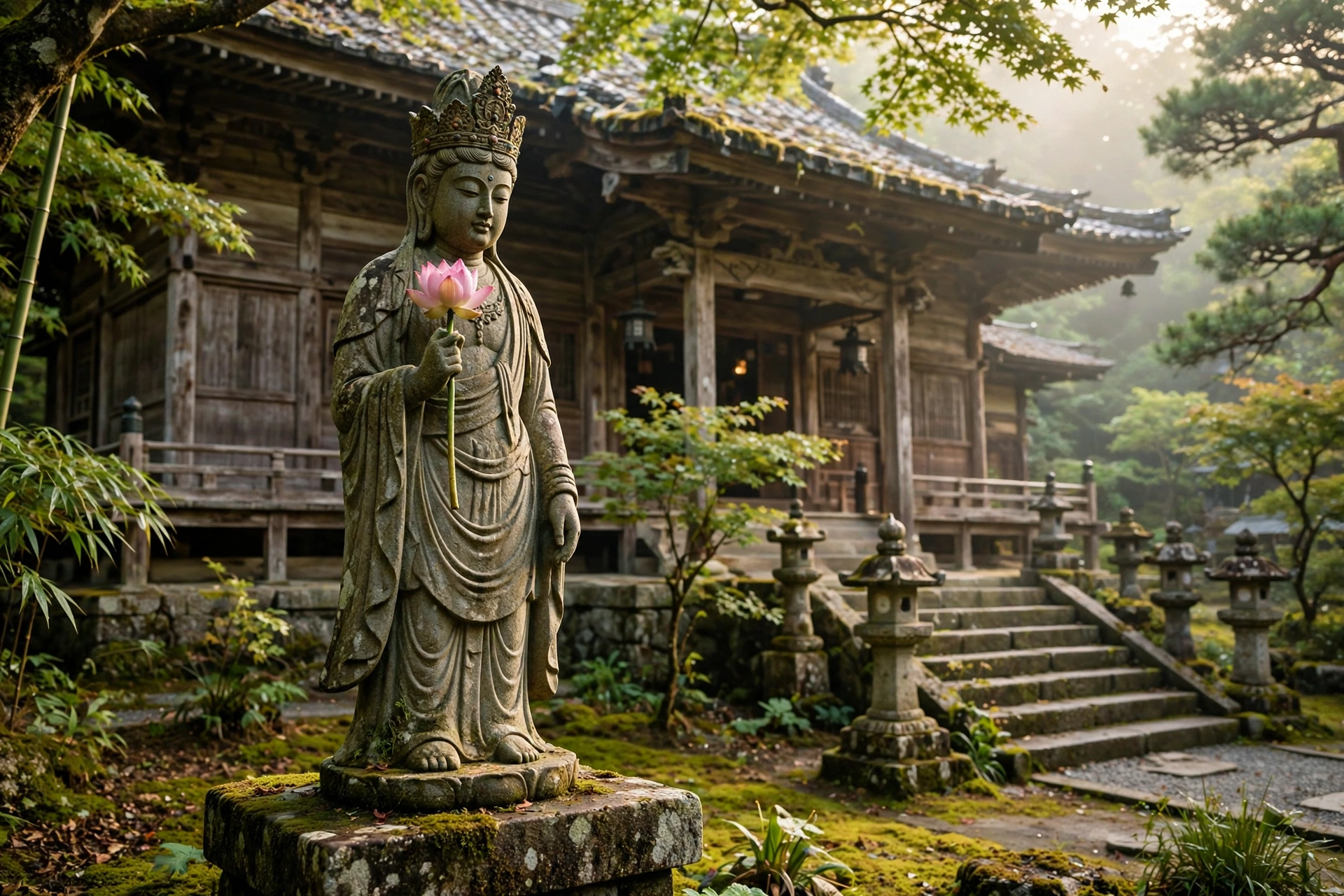
The second article on the basics of Buddhist statues. The Bosatsu who reach out a hand (Kannon, Thousand-Armed Kannon, Jizo, Miroku, Monju, Fugen and Seishi), the Myoo who stop you even by scolding (Fudo Myoo and the Five Great Myoo), and the Tenbu who guard the gate (the Four Heavenly Kings, Bishamonten, Benzaiten, Ashura, the Twelve Divine Generals and the Twenty-Eight Attendants), organized with the marks of their forms, real statues, and the thread of 'what happens when you die' for each.
People I have metNovember 18, 2026
Why does a funeral director ask 'What is your school?' first? Because in Japanese Buddhism the sutras, the manners and even the name given after death differ by school. A former funeral director explains the basics of Buddhism and the eight schools most often met at funerals — Tendai, Shingon, Jodo, Jodo Shinshu Honganji-ha, Shinshu Otani-ha, Rinzai, Soto and Nichiren — by founder, head temple, teaching, view of death, and funeral differences, with quick tables for posthumous names, incense and prayer beads, and how to check your own family's school.
People I have metNovember 18, 2026
Buddhist statues in a Japanese temple become much easier to read once you see them by their four ranks: Nyorai, Bosatsu, Myoo and Tenbu. A former funeral director explains how to tell them apart by clothing and ornaments, expression, what they hold, and the shape of their hands (mudra), and introduces the Nyorai at the top of the ranks — Shaka, Amida, Dainichi and Yakushi — for readers meeting them for the first time.
People I have metNovember 18, 2026
The third article on the basics of Buddhist statues. It lines up again the statues you actually meet in everyday life — the six Jizo by the roadside, the Mizuko Jizo in cemeteries, Amida in the main hall of a temple, Kannon pilgrimages, and the guardians at gates and in temple grounds — and gathers in one place each statue's different answer to the question 'What happens when we die?'
People I have metNovember 18, 2026
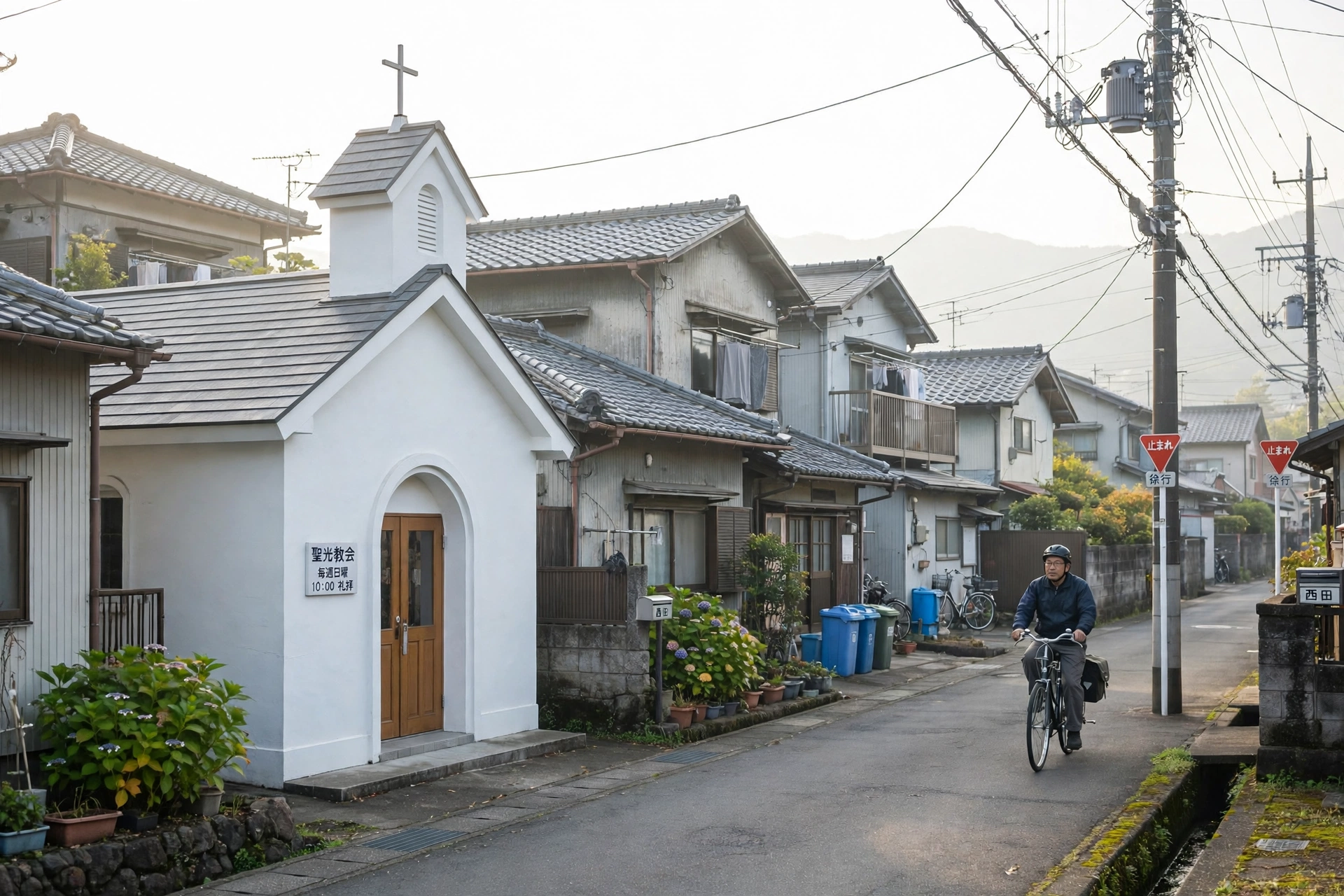
When someone said 'We would like a Christian funeral,' the first thing I checked was: Catholic or Protestant? A former funeral director explains the basics of Christianity, how it came to Japan, and how Catholics and Protestants differ — in what their clergy are called, how they gather, and how a funeral is shaped — including their different views of death: Purgatory and the Requiem Mass on the Catholic side, and the memorial service on the Protestant side.
People I have metNovember 18, 2026
In Japan, the name of a funeral venue does not tell you what the building does. A saijo may be a crematorium itself; a ceremony hall never cremates. A former funeral director compares the five types of venues — private halls, combined halls, public facilities, temples and homes — with official fee schedules from Yokohama, Osaka and a private Tokyo operator.
People I have metNovember 18, 2026
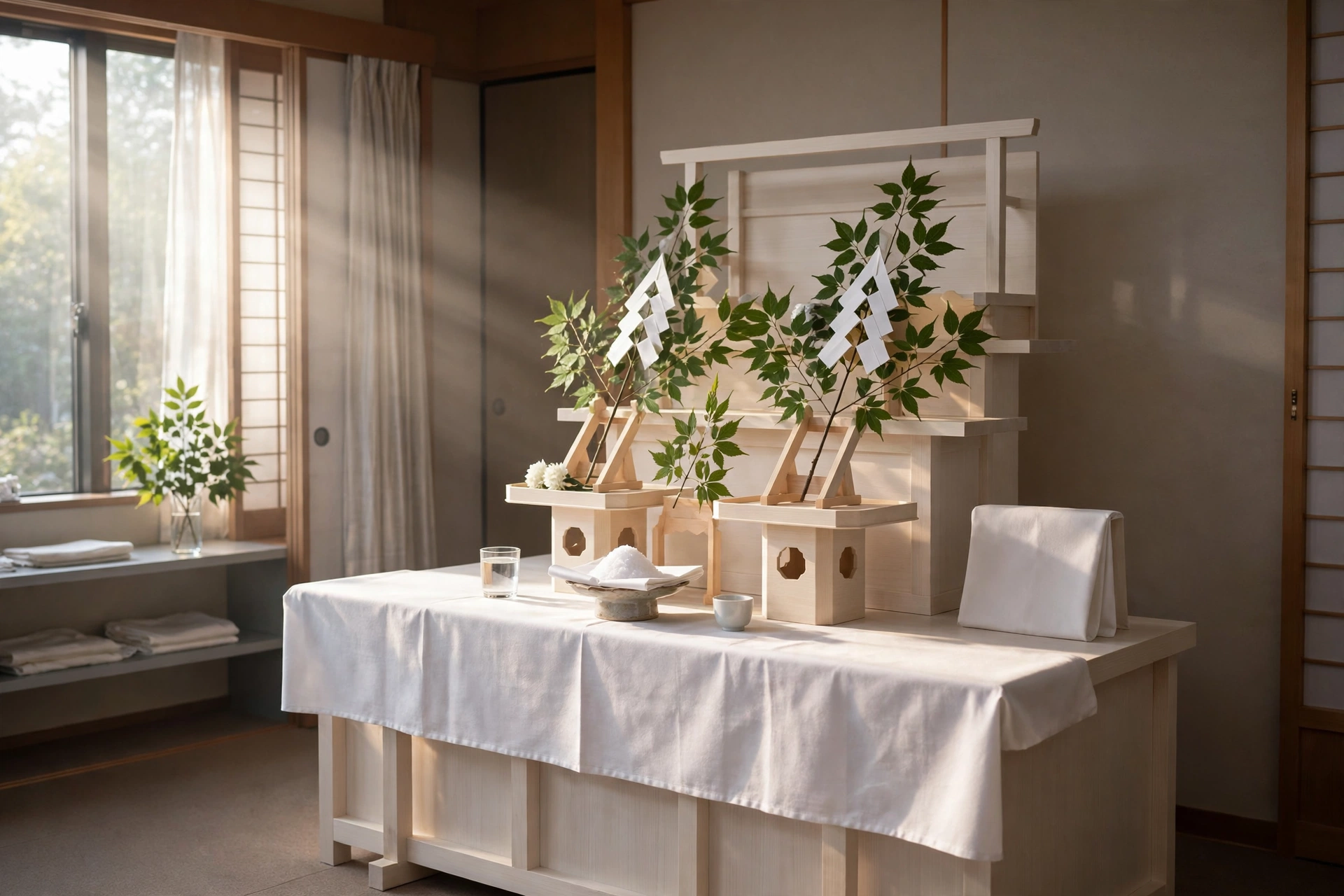
What is a Shinsōsai, the funeral of Shinto? A former funeral director explains, in plain terms, the flow of rites led by a Shinto priest (saishu) who comes to the home or funeral hall, a quick-reference table of the differences from a Buddhist funeral, the steps of Tamagushi Hōten — the rite that corresponds to offering incense — and the silent clap (shinobite), the Fiftieth-Day Festival that marks the end of mourning and the annual festivals that follow, and Kamidana-fūji, the sealing of the household altar. The basics of Shinto itself are covered in a separate article.
People I have metNovember 18, 2026
For anyone attending a Shinto funeral (shinsosai) in Japan for the first time. There are only three big differences from a Buddhist funeral: instead of incense, the tamagushi offering (turn the sakaki branch clockwise, and clap silently in shinobite); the money offering is 'Gotamagushi-ryo'; and instead of 'gomeifuku,' say 'I pray for the peace of the departed spirit.' A former funeral director explains the six movements of the tamagushi offering, how to choose the envelope and a guide to amounts, words, purification water and purifying salt, based on published sources.
People I have metNovember 18, 2026
What is Shinto, the faith you meet at New Year shrine visits and Shichi-Go-San? A former funeral director explains the basics in plain terms — the eight million kami (yaoyorozu no kami), how a jinja differs from a jingū, taisha and miya, the ujigami and ubusunagami who watch over a place and a person, the milestones of daily life, and the Shinto view of death: death as kegare (a loss of vitality), passing as kiyū (returning to the unseen world), and the spirit (mitama), honoured through rites, becoming a guardian of the home (sorei). The Shinto funeral itself, Shinsōsai, is covered in a separate article.
People I have metNovember 14, 2026
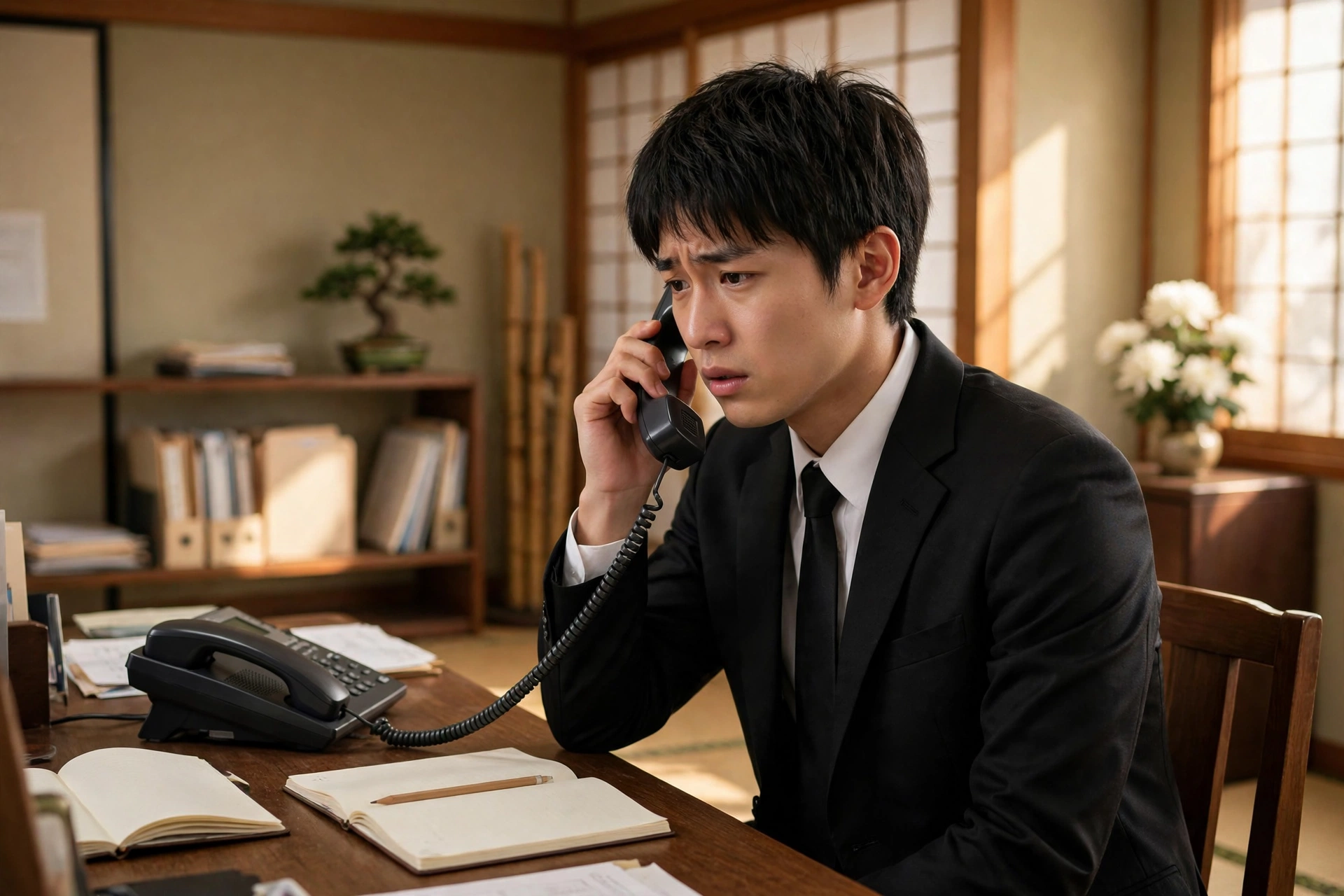
The result first: the anxieties of today's newcomers are the same for everyone — 71.8% worry whether they can keep up with the work, and about half of young employees find answering the phone hard. The answers a former funeral home owner learned on the floor are three: first, have a fixed pattern, starting with the first words on the phone; second, confirm, confirm — checking is part of the work, not something to hold back on; third, if you make a mistake, apologize honestly. Being afraid of the phone is not your fault: the place to practice disappeared, because the landline at home disappeared.
People I have metNovember 13, 2026
The result first: on a summer night when I was about 7, my younger brother, who had polio and had only just started walking holding on to his baby bed, was found hanging from a line behind a curtain on the second floor, and did not come back. While a whale curtain and altar were being set up, I was playing with dirt in the garden, unable to accept his death, when a hand holding an onigiri was held out to me, with the words, 'You must be lonely that your younger brother died. But you know, big brother, you have to do your best for your younger brother's share too.' Decades later I learned that person was President Onishi (pseudonym) himself, on his first assignment at age 23, and that he had taken me on because my straight eyes overlapped with that child's. I never told him that the child was me — and I still have not.
People I have metNovember 13, 2026
The result first: I still remember clearly, word for word, part of the sermon at my younger brother's wake — that because he had struggled with illness in his small body, the Buddha had reached out and said he no longer needed to train, 'come here now.' Years later, in my adolescence, I heard the sermon for my grandparents, and it was the exact opposite: that because they had lived long and accumulated virtue, the Buddha had taken them so they could live at ease. I worried, 'Is my younger brother, who could not accumulate virtue, suffering in the other world?' The sermon at my brother's wake itself remains, even now, words I am grateful for.
People I have metNovember 12, 2026
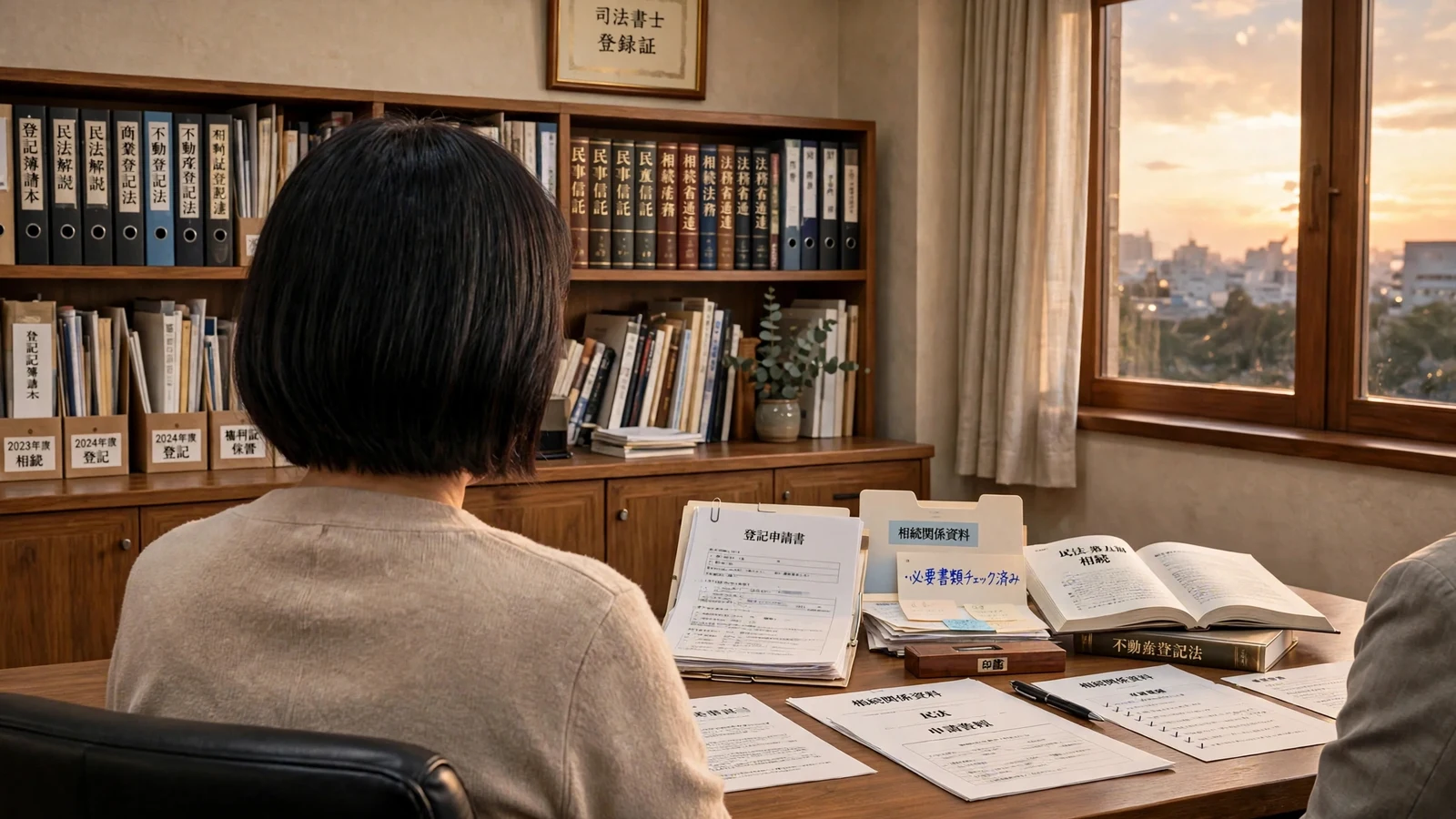
The result first: what made this farewell work was not the division of property or a grave, but that the person had decided, while still alive, who to entrust her affairs to. Ms. Masako Nakamura (a pseudonym), 65, who had no relatives, asked a judicial scrivener to act as her guardian six months before she died, and had arranged everything from payment to the hospital and cremation to the destination of her ashes and the disposal of her home. I met that judicial scrivener, Ms. Toyokawa (a pseudonym), by chance in a hospital waiting lobby, where she was opening the funeral-home pages of a telephone directory, and that meeting became our first job together.
People I have metNovember 11, 2026
The result first: this is the earliest person in my 'People I Have Met.' At age 5, in municipal housing in Osaka, there was a candy store across an unpaved road. I bought nothing there — I could not buy anything — yet I went every day, sat on the shop lady's lap, was fed lunch, and listened to a record until it wore out. It was a place to escape to when my father's drinking brought violence at home, and a place where she taught me, gently with a 10-yen coin, the line between what she gave me and what was sold. That daily life ended with a move at age 6, but more than 50 years later the figure of her stroking my head and smiling remains clear.
People I have metNovember 11, 2026
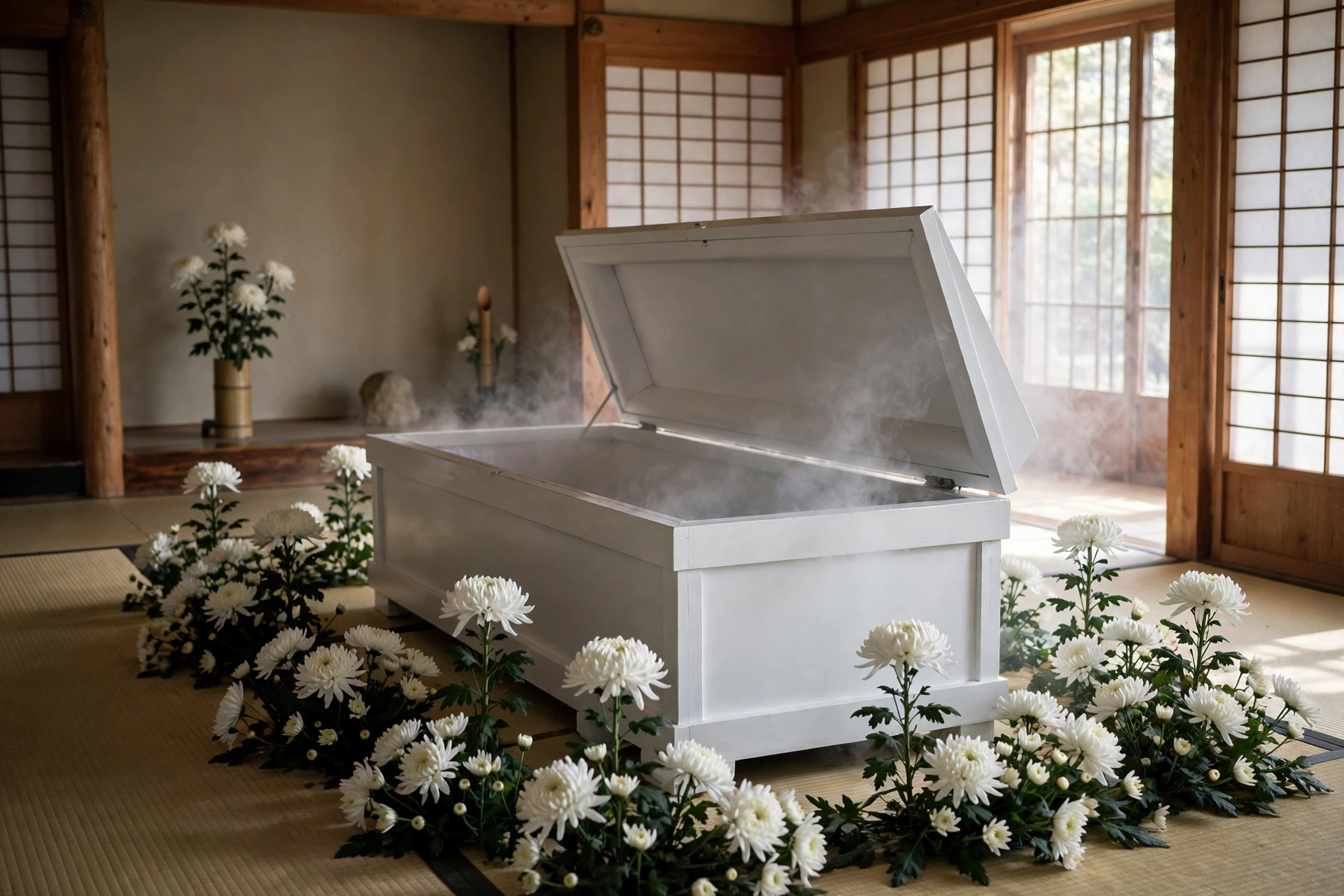
The result first: dry ice in a coffin fills the inside with carbon dioxide at a concentration that causes 'almost immediate loss of consciousness' within 20 minutes. Based on three fatal accidents and experiment results published in 2023 by the Consumer Affairs Agency and the National Consumer Affairs Center of Japan, a former funeral home owner explains why leaning your face close is dangerous, and what to keep in mind at a farewell.

People I have metNovember 11, 2026
The result first: my company Dil's homepage wrote the inconvenient things first — that pickup could take 1 to 3 hours, and that phone calls might be returned later. The same text was on business cards and pamphlets. Families who had read it said 'you came sooner than I thought,' because the wait was placed inside the hospital treatment time and the reading time, not after it. Below the phone banner, a 'Please note' acted as a final confirmation gate, like 'Are you really sure?' It was not advertising but a manual and a filter, and it left with a thank-you page even for visitors who left. A former owner explains the system, usable for any small business.

People I have metNovember 11, 2026
The result first: the lessons of major accidents and scandals come down to three things — a culture that puts safety before everything, accurate information shared quickly, and education that never stops. And one more, from my years in funeral work: a check is not a wish that errors will not happen. Even working at 100%, human beings make mistakes — so you layer check upon check to make sure the mistake never occurs. This article is a transplant from my old site, Yuyu Jiteki.
People I have metNovember 11, 2026
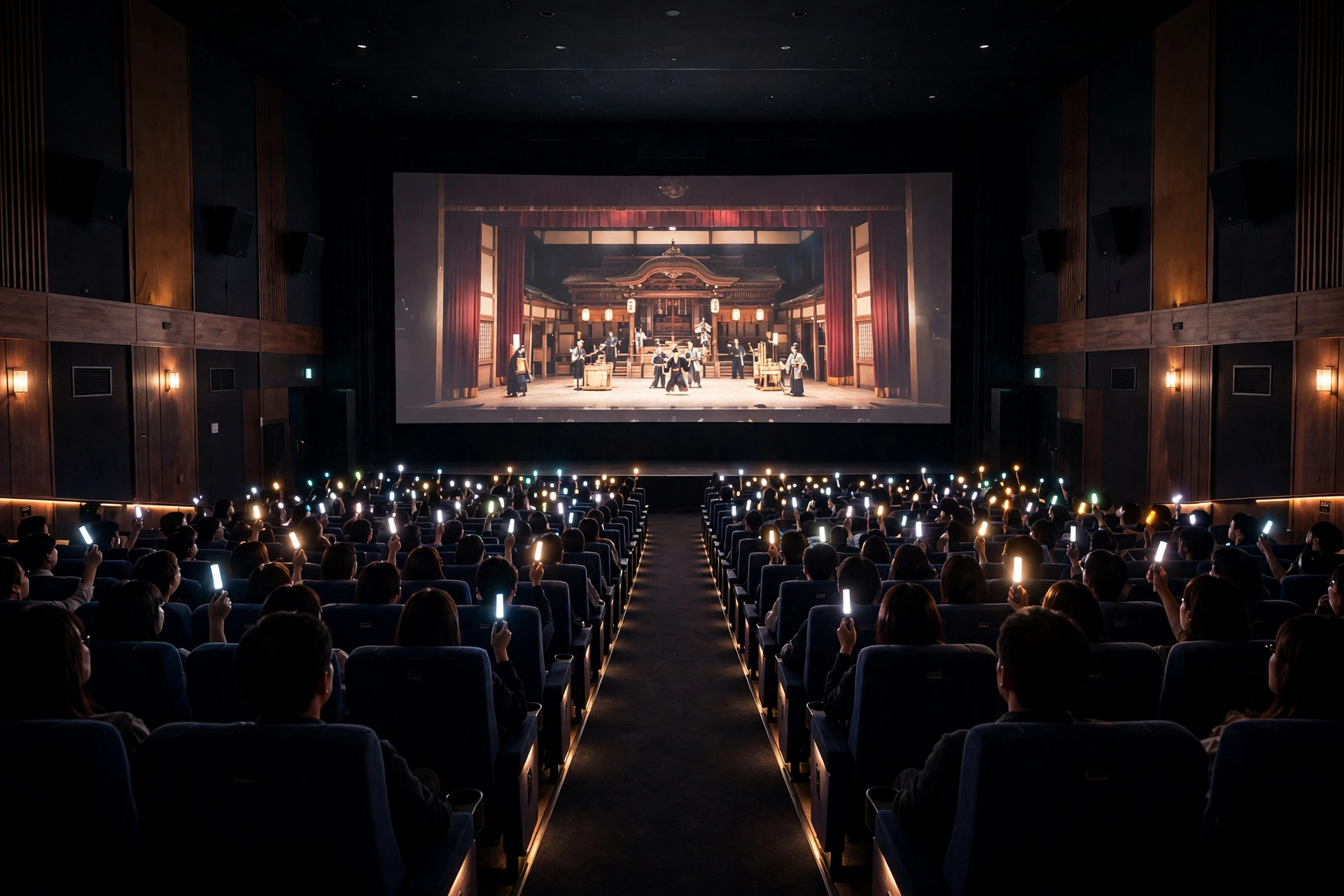
The result first: a live viewing is a screening that broadcasts a concert, stage play, or sports event live, in real time, to the screen of a cinema or similar venue. You cannot fully reproduce the heat of the actual venue, but there is the realism of a large screen and good sound, the comfort of cinema seats, and the sense of unity of watching together with other fans in the same space. When my wife said she was going to a live viewing of the stage play 'IMPACT,' I — unfamiliar with fan activities — looked into what a live viewing is. A transplant from the former site 'Yuyu Jiteki.'

People I have metNovember 11, 2026
The result first: embezzlement repeats because past lessons are never recorded or shared, and because cash is so often collected by one person alone, with no second pair of eyes. The fix is a system, not a warning — record the lessons where people already read, and take payments by bank transfer, which leaves a record on both sides and protects the customer. A proposal transplanted from my old site.
People I have metNovember 11, 2026
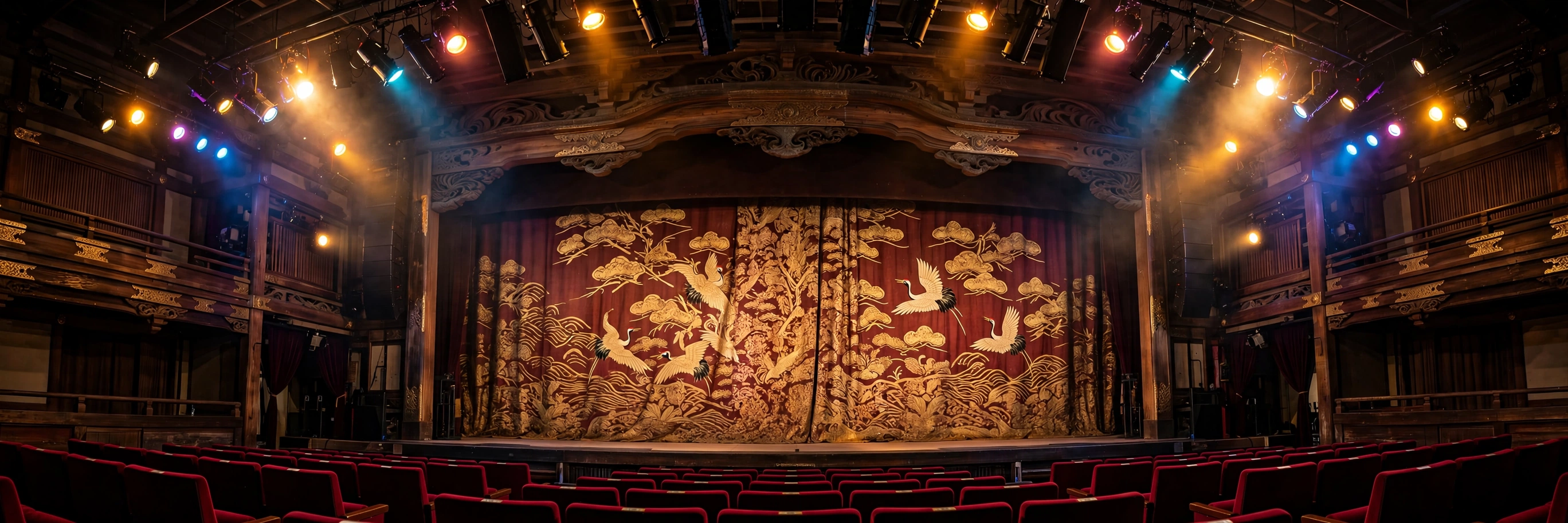
The result first: on May 1, 2025, 'IMPACT,' the first stage play starring IMP., opened at Misonoza in Nagoya. Composed and directed by Hideaki Takizawa, it is a two-part program of a show and a play, the play being 'MASAKADO no Ran,' with Arata Sato playing Taira no Masakado, and highlights in the line of 'Takizawa Kabuki' such as abdominal-muscle drumming and a dance of 700,000 flower petals. There were 34 performances at Misonoza until May 25, and 43 performances in total including Kanazawa and Hiroshima, and tickets sold out at once. This is the record of the opening night, which my wife saw live. A transplant from the former site 'Yuyu Jiteki.'

People I have metNovember 11, 2026
The result first: in May 2025, it was decided that Yuki Yokohara of IMP. would appear on ABEMA's 'POKER SONIC.' The program's full title is 'Kazutoyo Koyabu presents Geinojin Saikyo Ketteisen POKER SONIC,' a poker tournament program in which 16 celebrities competed for a prize of 1 million yen. It was streamed free on the ABEMA SPECIAL channel every Saturday at 21:00 for six episodes from May 24, 2025. Yokohara, whose poker history was under two years, said he wanted to win on luck alone. This is a record of that announcement, together with my wife's words of support. A transplant from the former site 'Yuyu Jiteki.'

People I have metNovember 11, 2026
The result first: on April 6 and 7, 2025, I went to 'to HEROes -TOBE 2nd Super Live-' at Kyocera Dome Osaka, and experienced the first concert of my life, in my fifties — and it was a dome concert from the start. 'to HEROes' is a joint live concert where the artists of TOBE gather together; the second edition was held at two venues, Tokyo Dome and Kyocera Dome Osaka, in four performances, drawing about 200,000 people in total. My wife, a veteran of fan activities, got the tickets. A transplant from the former site 'Yuyu Jiteki.'
People I have metNovember 11, 2026
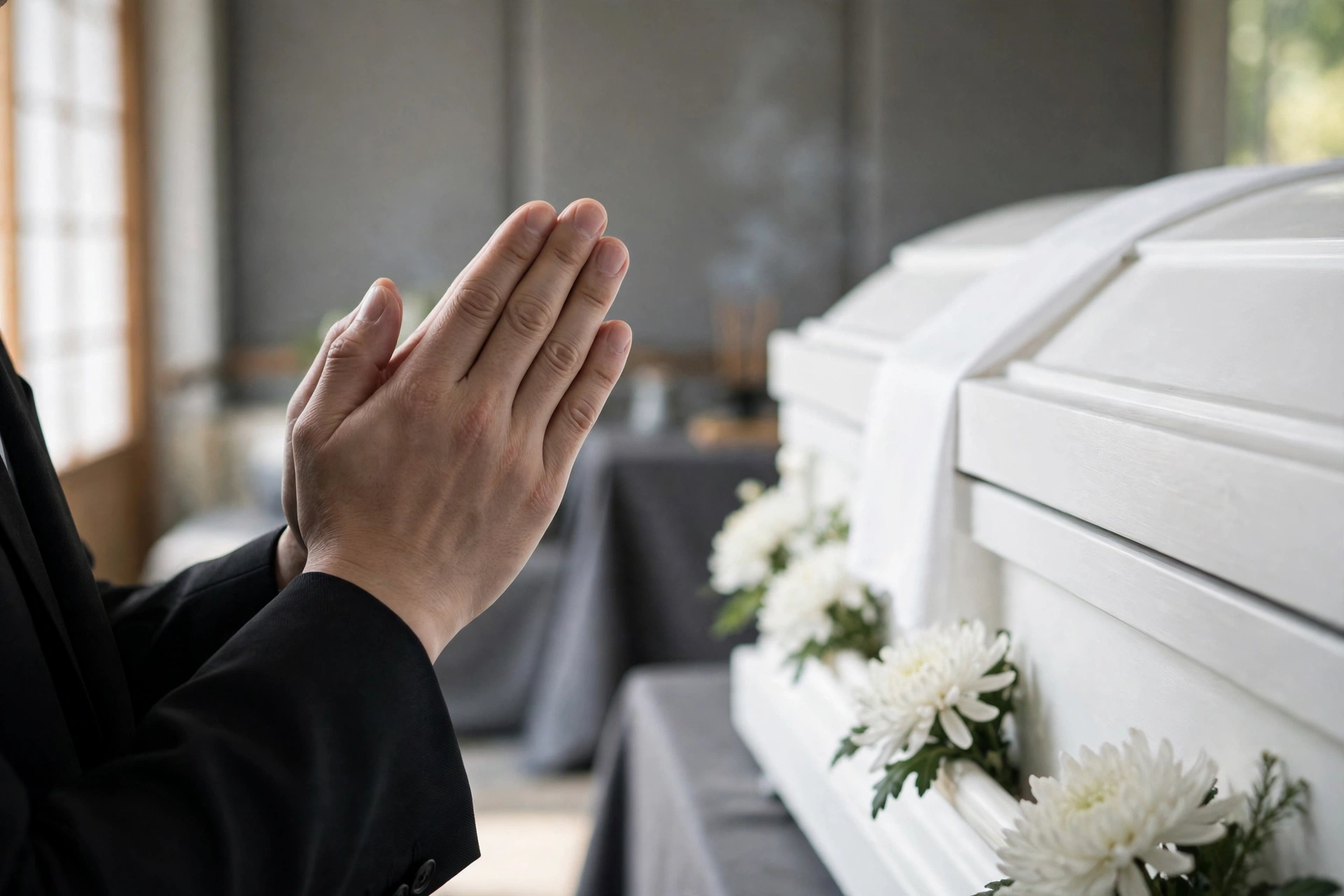
The result first: the work of placing the deceased in a coffin is the same, but the position is different. A nokanshi (okuribito) performs encoffining as a specialist ritual in front of the family, valuing beautiful gestures and farewell time itself. Funeral home staff perform it as one part of the whole funeral flow — pickup, keeping, meeting, ceremony preparation, departure, crematorium — often in a keeping room, with necessary care done properly, and often included in the plan price. At my company Dil, at home the family themselves encoffined with staff supporting, and in a hall staff encoffined. A former owner compares gesture, place, grooming, and fees, and gives 3 questions to ask a funeral home.
People I have metNovember 11, 2026
The result first: at age 6, my family was the last family left in Osaka municipal housing scheduled for demolition, and we moved 1 hour and 30 minutes by car to my paternal grandparents' detached house. Though the house had many rooms, our family's life was in a single 6-tatami room for 1 year until an extension was built. My grandfather was strict — bath order, and hands struck with chopsticks for poor chopstick use — and my younger brother, who had polio, had only just learned to walk holding on to the rails of his baby bed, going to rehabilitation every week. This is the move that ended my daily life with the lady at the candy store.
People I have metNovember 11, 2026
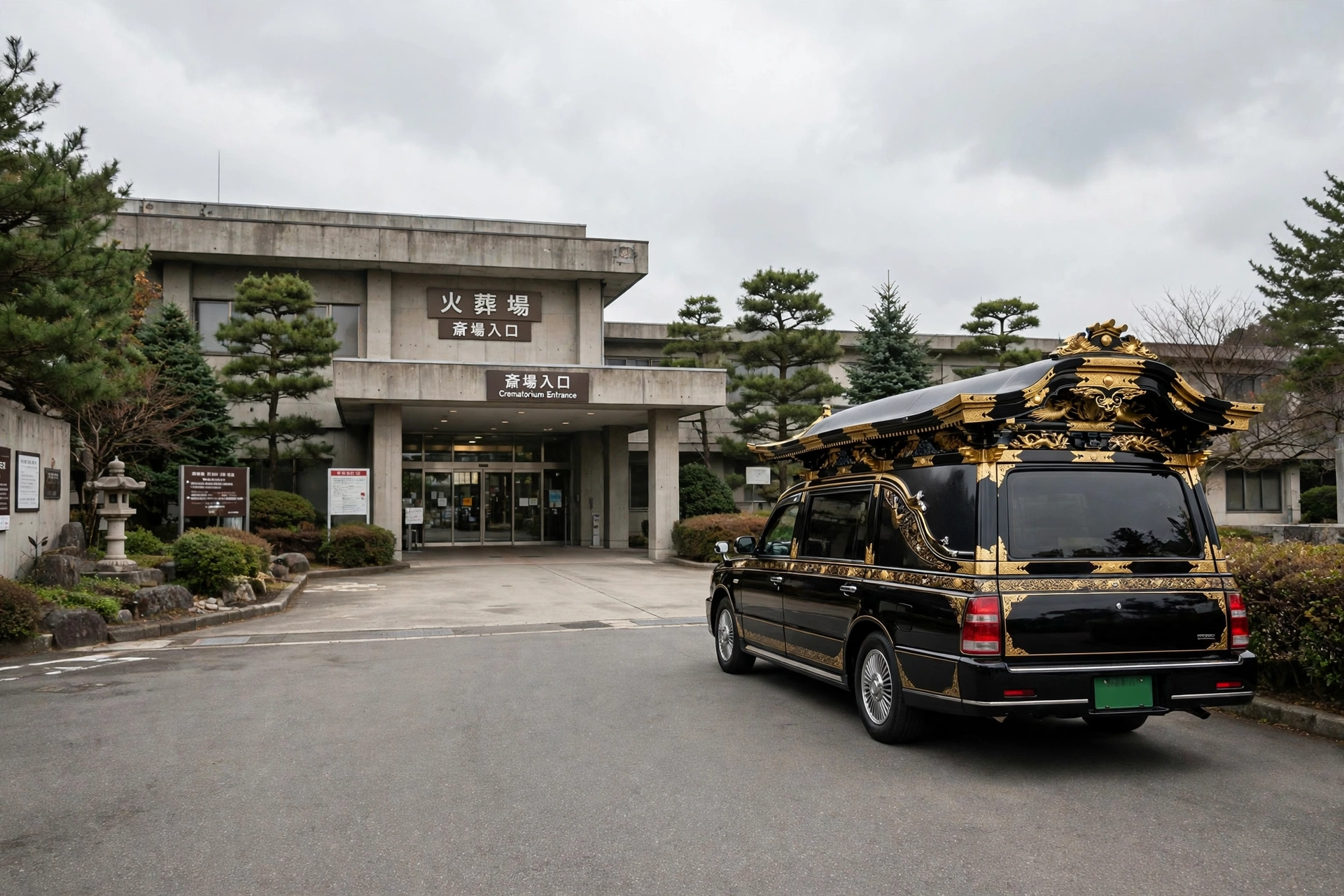
The result first: to carry a deceased person for payment in a hearse or a stretcher vehicle, you need permission from the Minister of Land, Infrastructure, Transport and Tourism and a green commercial plate (a black plate for light vehicles). A white plate means an unlicensed operation. Using the 2017 'white-plate hearse case,' in which five funeral companies in Tokyo and Kanagawa were referred to prosecutors, a former funeral home owner explains whether a family may carry their own loved one, and how to tell a licensed vehicle.
People I have metNovember 11, 2026
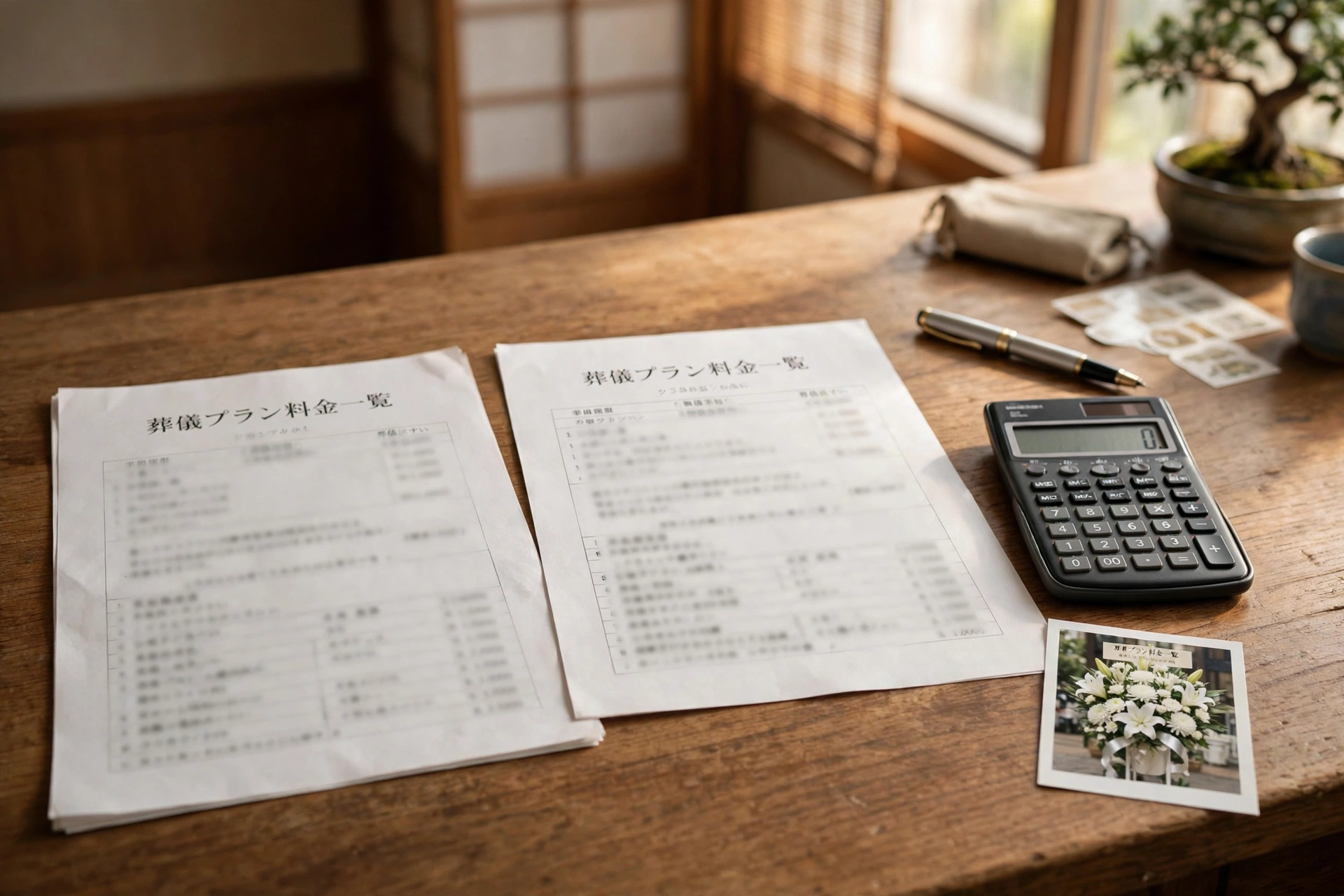
The result first: in 2013, the operating company of the low-price online funeral service 'Chiisana Ososhiki' became a subsidiary of a major mutual aid association, and the 'dual pricing problem' became a controversy — at the same hall, with the same staff performing the funeral, the price changed depending on where you applied. Checking the original article from the former site against published materials from the courts, the Consumer Affairs Agency, and the Japan Fair Trade Commission, the author corrects three points where the original was wrong, and honestly rewrites the story including the 13 years since. A former funeral home owner also leaves what he saw of the industry custom of referral fees.
People I have metNovember 10, 2026
The result first: do not choose by company name. Set a budget first, then think about scale, then choose the type of funeral home that fits the scale, and only last look at the staff member in charge. The line of 20 attendees is the measure of what one staff member can look after without inconveniencing guests. Saying fewer attendees than the real number ends up costing more. A former funeral home owner gives the order, step by step, without recommending any company and without receiving referral fees.
People I have metNovember 8, 2026
The result first: funeral service consultations in PIO-NET rose from 632 cases in FY2019 to over 1,000 in FY2025 — 917 cases as of the June 2026 publication, 1,007 including later registrations — and more than half are price troubles, up from 33.2%. The reasons overlap: community connoisseurs and reputation brakes disappeared, hearse companies and quick independents multiplied after 1995, other industries entered when funerals were hailed as a 'growth industry' from 2009 and built halls in a rush, smartphones changed how people choose, 'one set' pricing was ambiguous from the start, and funeral business itself needs no license or notification. A former funeral home owner lines up what he saw on the floor, one by one.
People I have metNovember 8, 2026
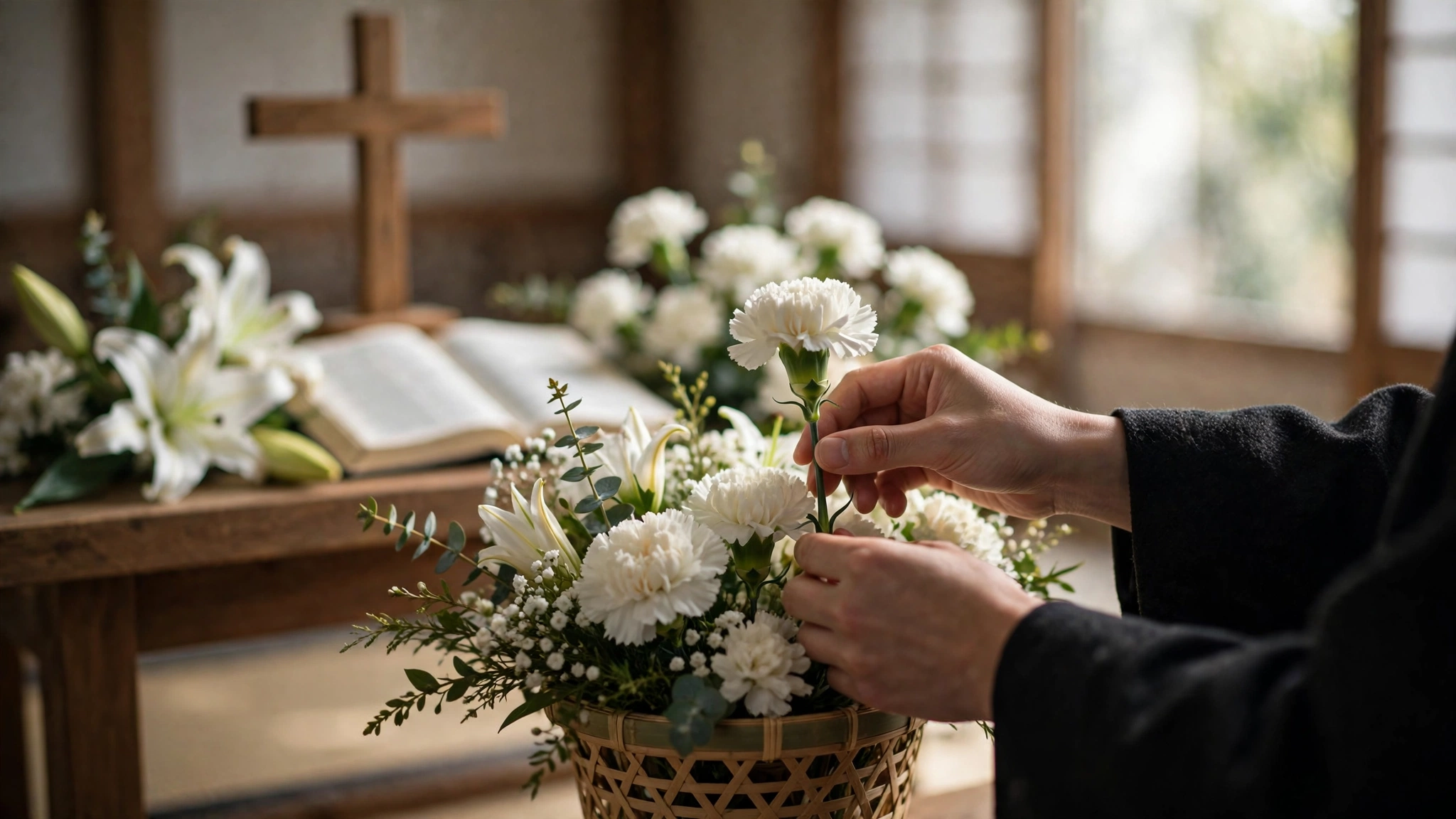
The result first: there are only three big differences to remember. Instead of incense, you offer a flower (kenka); instead of a condolence envelope marked 'Gokoden,' you write 'Gohanaryo' (flower offering); and instead of 'I pray for their repose (gomeifuku),' you say 'I pray for their peaceful rest.' The flowers are prepared by the family, so you come empty-handed, and you do not use an envelope with a lotus design. A former funeral home owner has organized the rest — how to sit during the service, and the differences between Catholic and Protestant — from published sources.
People I have metNovember 8, 2026
The result first: I lent no money. In 2003, when I was 32 and working as a funeral worker, a man who came pretending to consult about a parent's funeral asked me in the car for 20,000 yen. That day I had only 500 yen in my wallet, after advancing cremation fees for several cases. A string of small oddities — a call from a station pay phone, a 30-minute wait, a trip to an office 20 minutes away by car, clothes that did not match a 3,000,000 yen funeral, and a headquarters said to be in Tokyo when it should have been in Kobe — led me to report it to the police that same day. Half a year later the man was arrested, and four shaven heads gathered at the police station.

People I have metNovember 7, 2026
The result first: in January 2025 in Nagoya, two bodies with the same family name were mixed up because confirmation stopped at the family name and there was no name tag to check by eye. The body was sent off and cremated as another person, and the mix-up was found only from an unfamiliar keepsake in the ashes. From reports and the company's published materials, a former funeral worker explains the cause and how to prevent it: make the full name visible, and have two people check it.

People I have metNovember 7, 2026
The result first: the first stage of digitization — making the body of a death certificate by computer and printing it — is already almost finished, since the free software DiedAi in 2015 and electronic medical records. What changed in 2020 was not 'no seal needed and nothing to do,' but 'no name-and-seal in principle; only the doctor's own signature, including electronic signature.' The next stage is a form where data reaches the municipality first via MyNa Portal, with a QR-coded paper as a bridge. A former funeral home owner checks official materials and four worries from the floor.
People I have metNovember 7, 2026
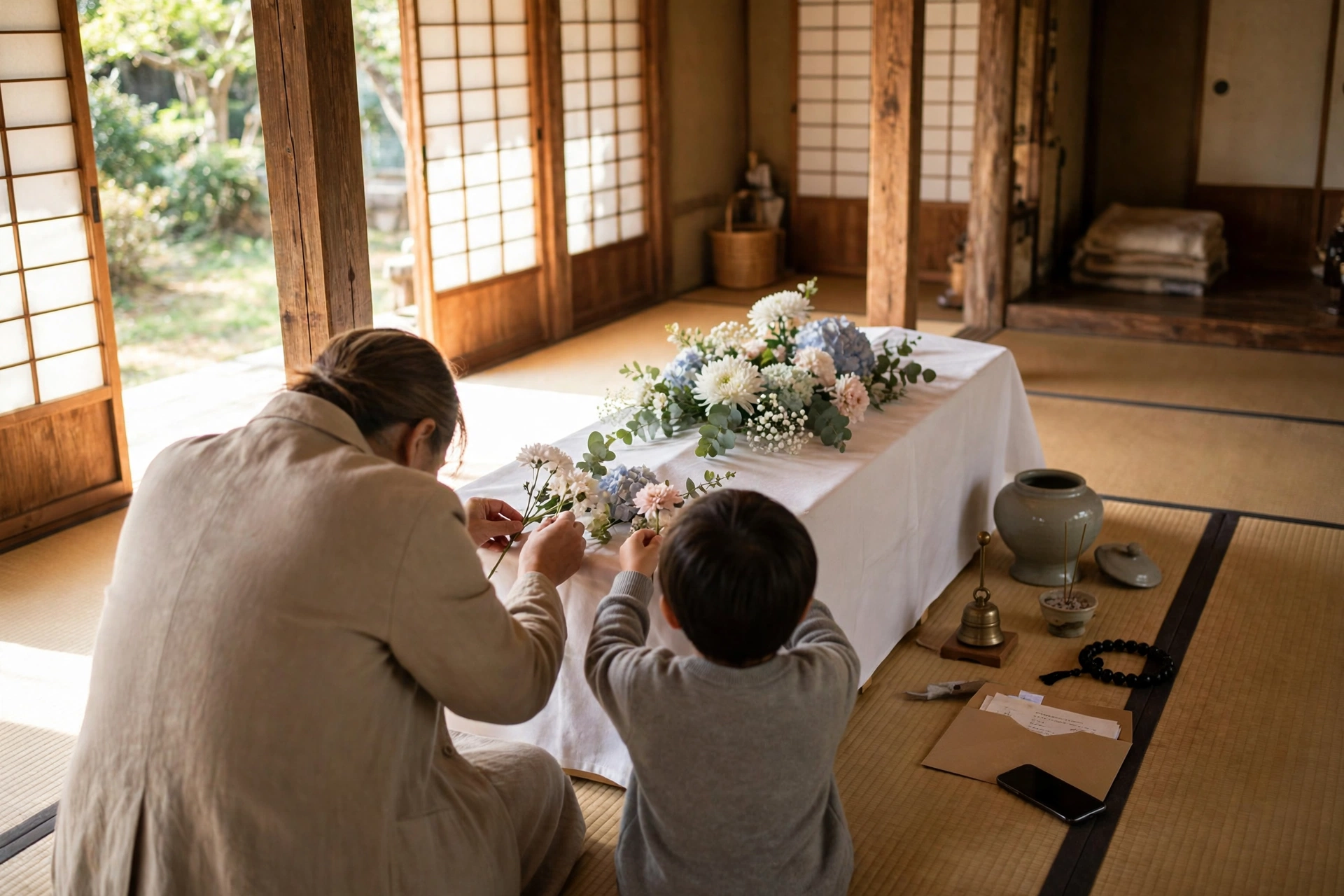
The result first: using a funeral home is not a legal obligation, and a DIY funeral by family alone to cremation is possible with conditions. The parts no one can replace are the death certificate, cremation permit, and crematorium. In Kurashiki City the cremation fee is 6,500 yen, coffins and urns are sold online (a set from 35,000 yen), and with the 50,000 yen funeral benefit the real outlay can come close to zero — but transport is the biggest wall, and in practice it is realistic to leave transport and departure to a professional.
People I have metNovember 7, 2026
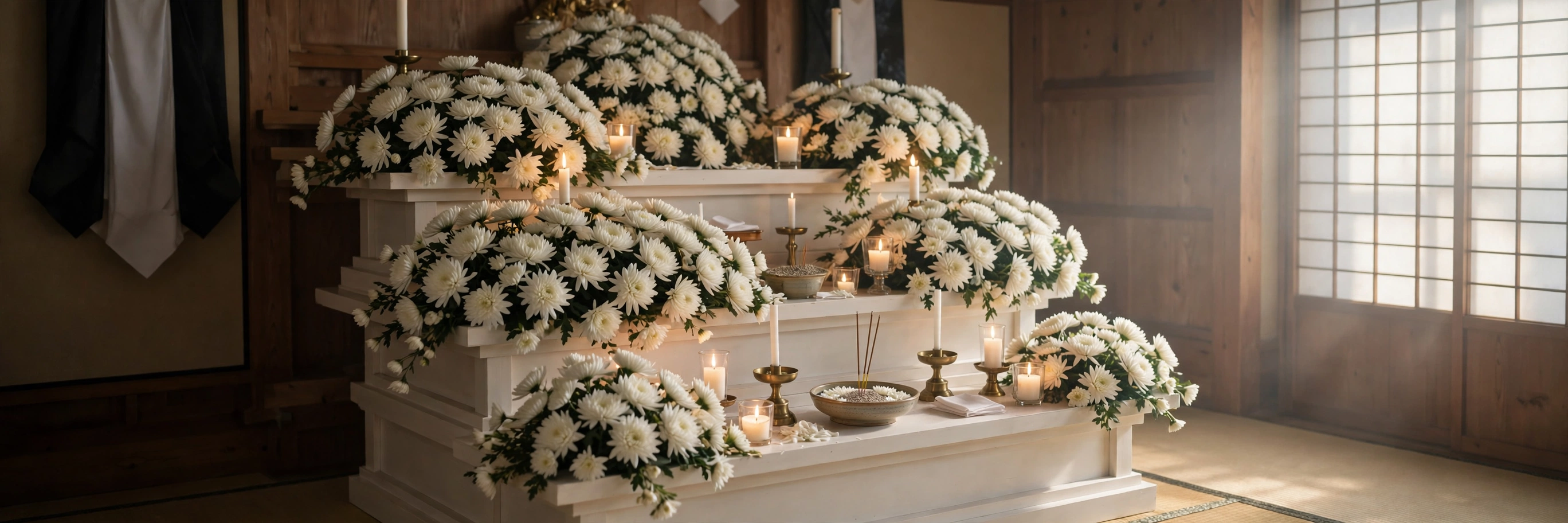
The result first: the law decides only cremation and burial procedures. Altars, decorations, and funeral processions — the image we picture for a 'funeral' — were created by the funeral industry itself. Tokyo Hakuzen in the east made cremation a facility's work, Koekisha in the west made funerals into products with catalogs and prices, and the characters 'public benefit' and 'public management' on signs carried the air of the times. A former funeral home owner traces that history.
People I have metNovember 7, 2026
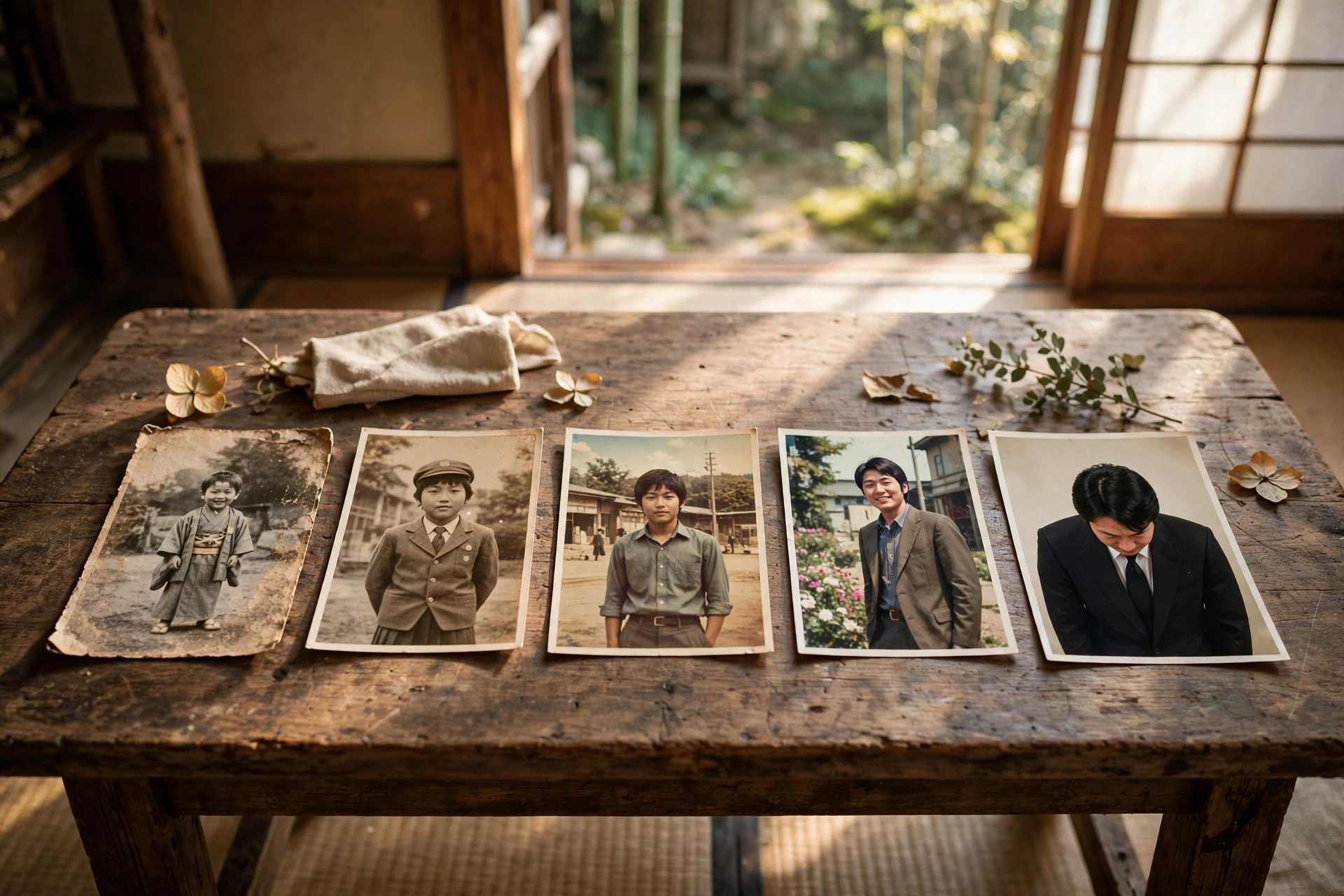
The result first: the Web funeral I imagined at 25 was not one that makes the deceased speak. Photographs from childhood to the end move quietly in order, and in the final scene the person themselves bows slowly, with only one word in a caption, such as 'Thank you,' and no voice. Now that AI deceased who speak have appeared — Revibot, from December 2024, at an initial fee of 99,800 yen — the line of not making them speak, and the small purpose of leaving the deceased only in the hearts of those who sent them off, stand out all the more. I also made a 30-second silent trial version with my own likeness.
People I have metNovember 7, 2026
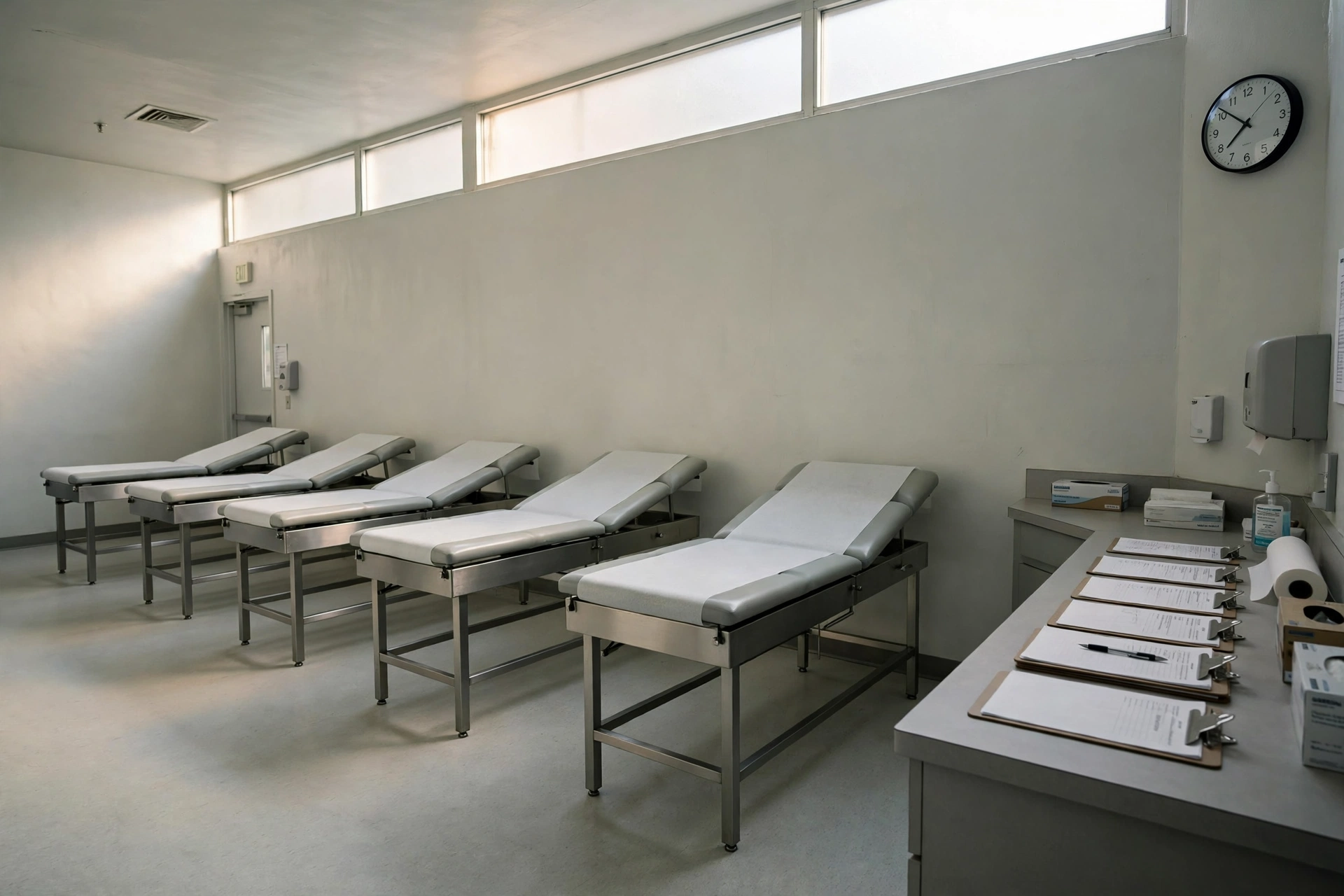
The result first: who investigates a body whose cause of death is unknown, and how? Oversights have happened even face to face. The medical examiner system that specializes in examination and, if needed, autopsy is fixed by government ordinance in only 5 regions — Tokyo's 23 wards, Yokohama, Nagoya, Osaka, and Kobe — and Yokohama was abolished at the end of FY2014 and Nagoya handles very few cases. In most regions, the entrance is a local clinic doctor serving as a police doctor / examination doctor, and difficult autopsies go to university forensic classrooms. Bearers need wide knowledge and physical strength, yet pay does not match the burden, exemplified by Osaka's estimate of about 9.97 million yen a year. A former funeral home owner writes what he saw on the floor.
People I have metNovember 7, 2026
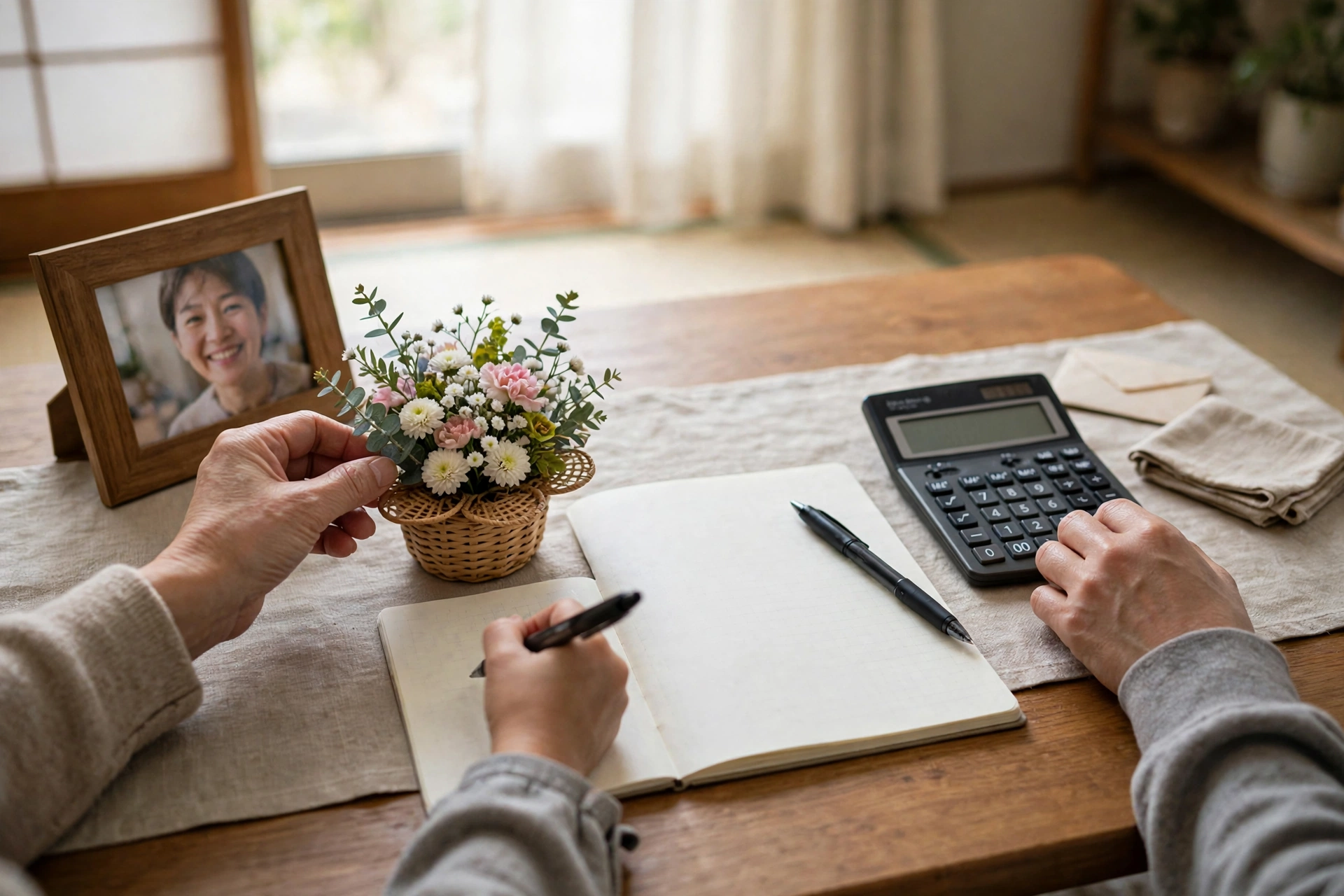
The result first: congratulations — people who research funeral costs in advance are a minority: 63.8% had not prepared, and about 87% did not compare. Using Kamakura Shinsho's latest surveys (median 967,300 yen, average 1,185,000 yen) and what was actually paid for family funerals and cremation-only funerals, a former funeral home owner organizes the gap between plan display and actual payment, how to write a 300,000 yen budget memo, the smallest form for a family of 5 at home, and how to search by 'budget + location' and confirm by phone.
People I have metNovember 7, 2026
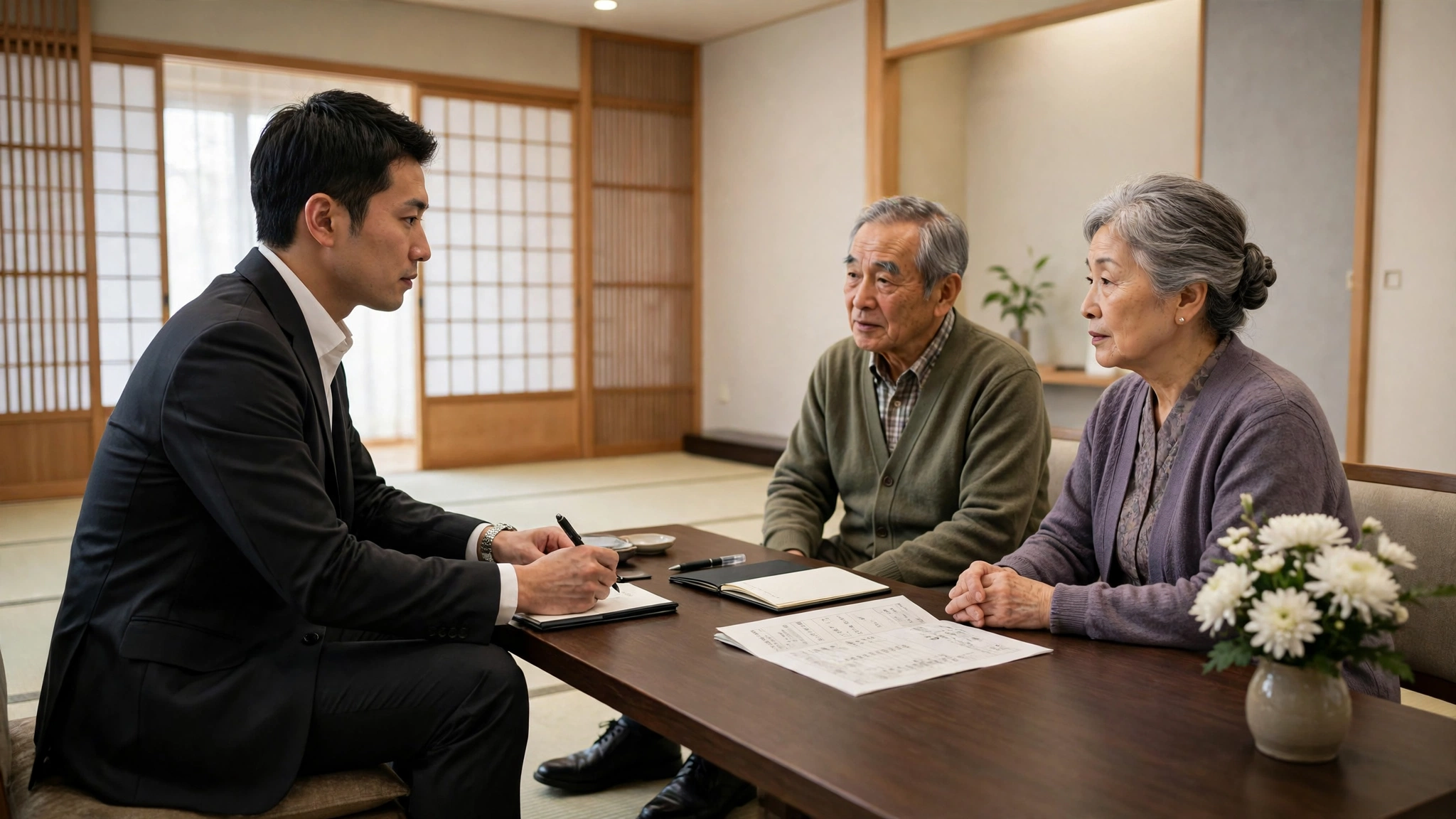
The result first: you can judge a funeral home and its staff member in a face-to-face consultation by five things — cleanliness, plain language, how they handle money questions, the quality of their proposals, and whether they will work hard for you. A former funeral home owner explains what to look for, from appearance and watches and shoes to a provisional total-cost sheet that shows the full 860,000 yen, not just the funeral home's 500,000 yen.
People I have metNovember 7, 2026
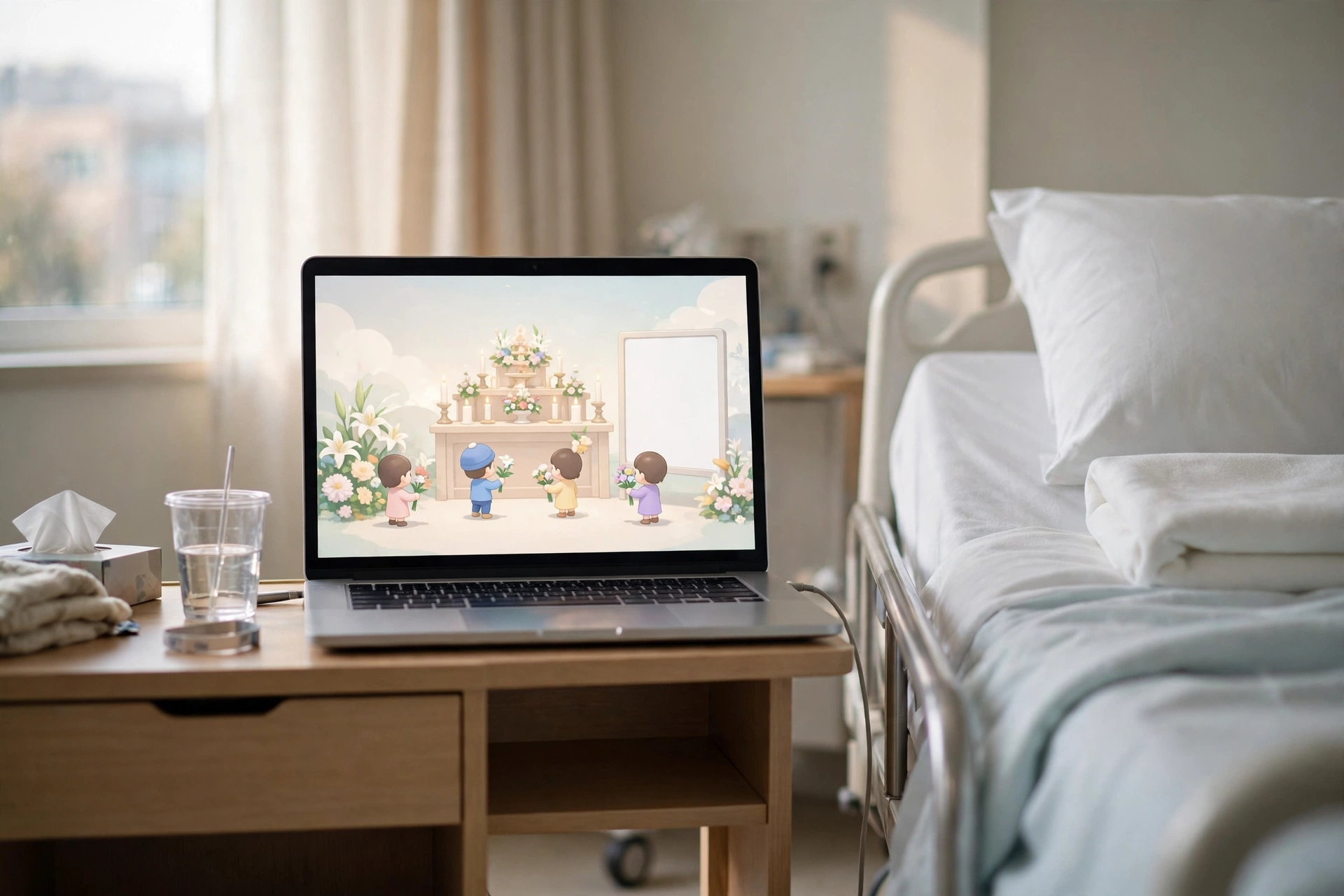
The result first: what I imagined at 25, around 1996 to 1997, was a funeral hall in virtual space, with an altar in the middle, where mourners attend as avatars, offer flowers one by one, and at the same moment their farewell words are written on something like a message board. The purpose was practical: so that people who cannot move from a hospital or a nursing home could attend, without the rawness of a live broadcast of a real funeral hall. That picture has now been realized by others — the metaverse cemetery 'Kaze no Rei,' begun in September 2024, added a funeral-hall part, 'Kaze no Ma,' in February 2026.
People I have metNovember 7, 2026
The result first: Kazuo Yamada (pseudonym, 66), with terminal cancer, asked for a direct cremation for himself, and separately asked me to pass savings and securities worth tens of millions of yen to his only son, whom he had not seen since his divorce. I did not touch the bundle of flyers with account numbers and PINs written on them. I accepted the funeral, introduced a judicial scrivener, Mr. Toyokawa (pseudonym), for the property, and proposed only that I could keep a letter. Weekly Monday phone calls followed for a month, then his 21-year-old son called, and beside the hospital bed sat his son and his former wife. The letter reached his son in the end. This is a record of drawing a line while staying close.
People I have metNovember 6, 2026
The story of a send-off I was in charge of for the wife of a couple receiving public assistance. The husband, who had bad legs, had only one request: 'Please deliver my wife's ashes to our home.' His last words on the telephone still remain in my heart. A record from the floor, by a former funeral company owner.
People I have metNovember 6, 2026
The result first: the Ministry of Health, Labour and Welfare counted for the first time 'bodies with no one to claim them' at an estimated 41,969 people in fiscal 2023, 2.7% of all deaths that year. About three-quarters were send-offs connected to public assistance. It is not only 'no relatives' — the names and circumstances are known, but there is no one to see them off, or someone who cannot. I read the figure with the eyes of the floor, where I handled about five such send-offs a month.
People I have metNovember 6, 2026
The result first: reading the Graveyard and Burial Act itself, the law decides only the procedures for cremation and burial — a permit from the mayor, 24 hours after death, at a crematorium and in a licensed cemetery. There is no obligation at all for a wake, a farewell ceremony, an altar, or sutra reading. A former funeral company owner argues that a funeral that does not fail is not about the size of the ceremony, but about preparing the time to say goodbye while the person is still alive, and in the days until cremation.
People I have metNovember 5, 2026
The result first: at 21, ready to quit after clashing with my section chief, I did not quit — because Factory Manager Sakamoto (pseudonym, 42) made me another road: a transfer to the head office factory, where my daily pay rose from 10,000 yen to 13,000 yen. What stayed with me even more than the transfer were his words: 'If you're in trouble, bring it to me right away.' A record from 'People I Have Met.'
People I have metNovember 4, 2026
The result first: the first phone call about my handmade flyers was a scolding — 'Don't put such an unlucky thing in my mailbox!' — and that caller became my first customer, who then introduced many others, and was also my last customer before I closed the company. This is the record of cutting A4 paper into quarters to make 10,000 flyers and delivering them myself when I had no money for advertising.
People I have metNovember 4, 2026
The result first: at 23, working as a bridal furniture broker, I chose the funeral business after the Great Hanshin-Awaji Earthquake. The deaths of Yoko Kobayashi (pseudonym) and her husband, a single line from a section chief, and meeting a person who had no one to see them off gave me my first step — to live the life that was spared in a way that helps someone.
